What people do reveals what they cannot say.
Consumer research in real homes, real stores, real moments — read with clinical depth and delivered at the speed your decisions need. Across Central America, the Caribbean, and US Hispanic markets.
You already know why you’re here.
If your last study confirmed what you already knew — or arrived after the decision was made — you already know why you’re here. The model most brands still pay for was built for a different era: long timelines, online panels saturated with professional respondents, global agency markups, and PDFs designed to defend decisions rather than improve them. The comfort of the familiar process has a cost, and you’ve started to feel it.
Research is changing. The brands that notice first will compete differently.
Online panels were once the breakthrough. Today they are the bottleneck. Professional respondents, multi-account answerers, and AI-generated submissions have eroded the data quality that panels promised. The respondent on the other side of the screen is increasingly not the consumer your brand needs to understand.
Global agency models were built for the era before AI-assisted analysis. Three-month timelines and six-figure fees made sense when fieldwork, transcription, coding, and synthesis each required separate teams. They no longer do. The brands paying for that structure are subsidizing overhead that no longer adds value.
And the consumer your brand needs to understand does not live online. They live in homes with specific kitchens, shop in stores with specific layouts, and decide in moments shaped by language, hierarchy, ritual, and constraint. Reading them from a panel dashboard in another country produces approximation, and approximation dressed as evidence has a market price most brands have stopped wanting to pay.
We watch what consumers do. Then we read what their behavior reveals.
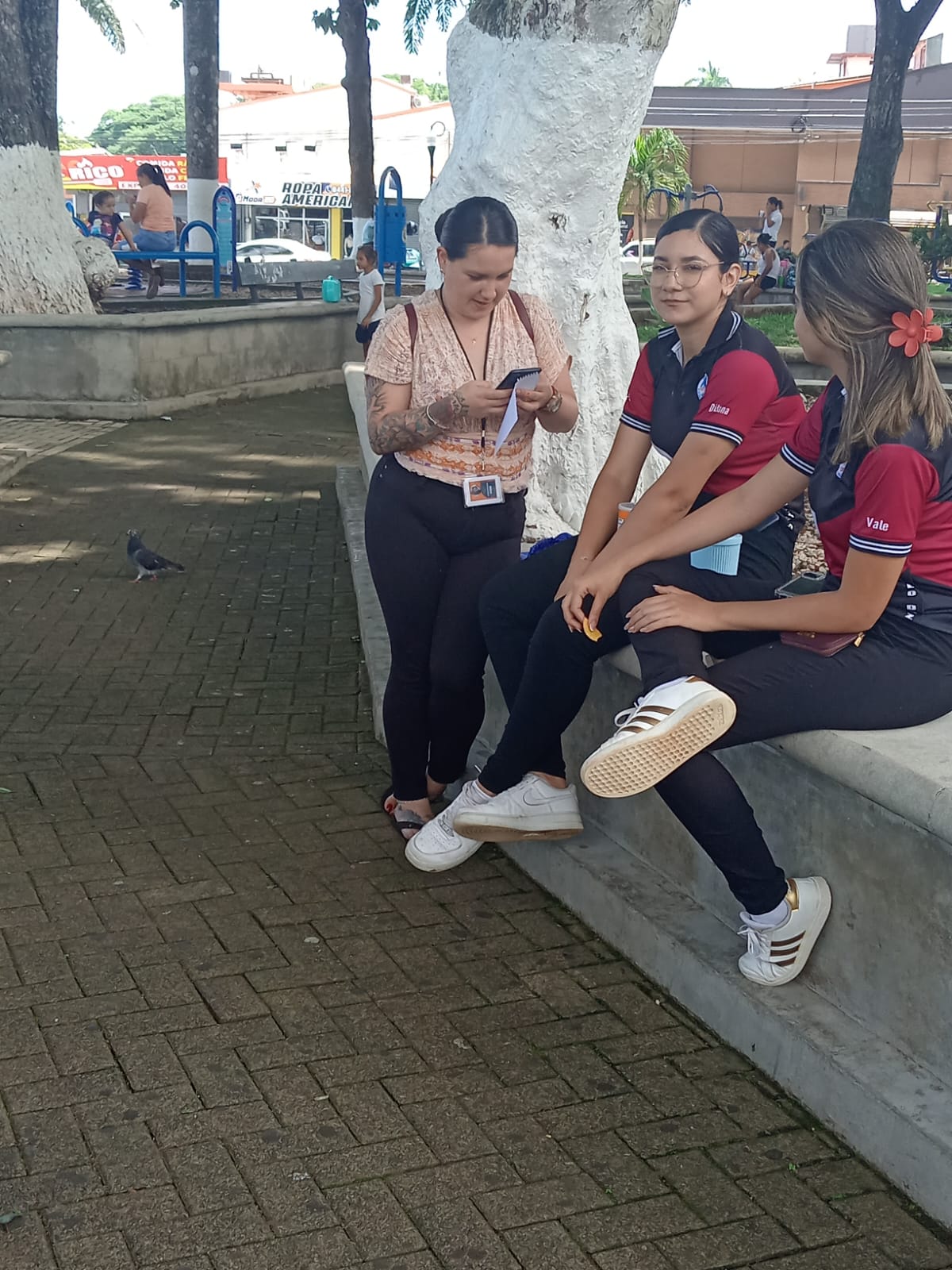
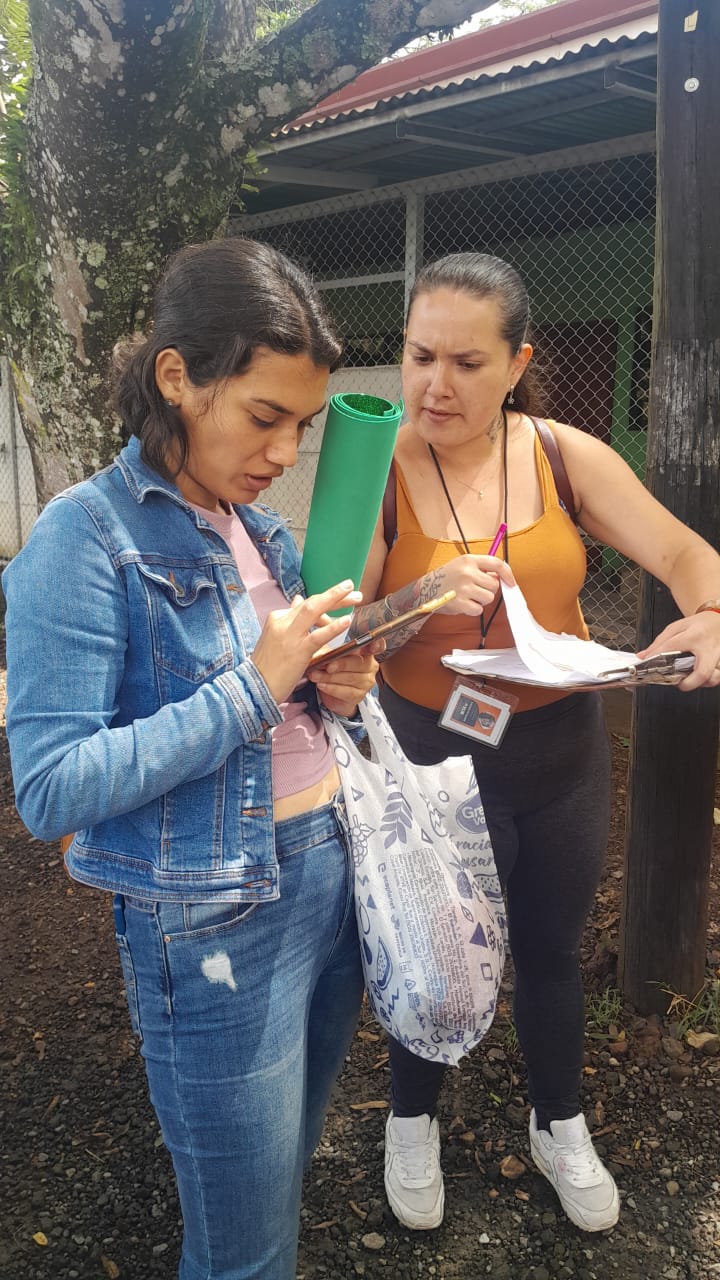
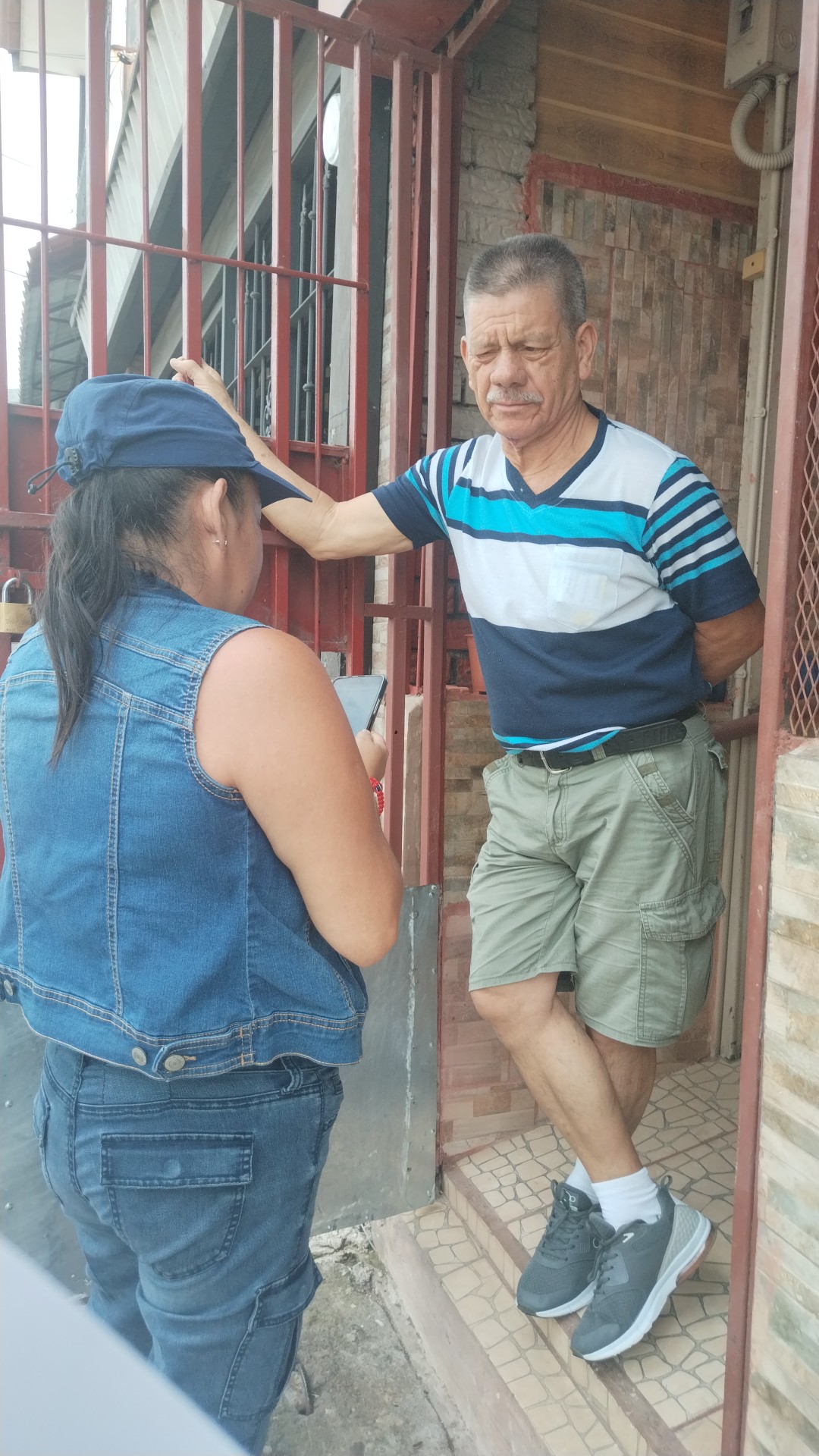
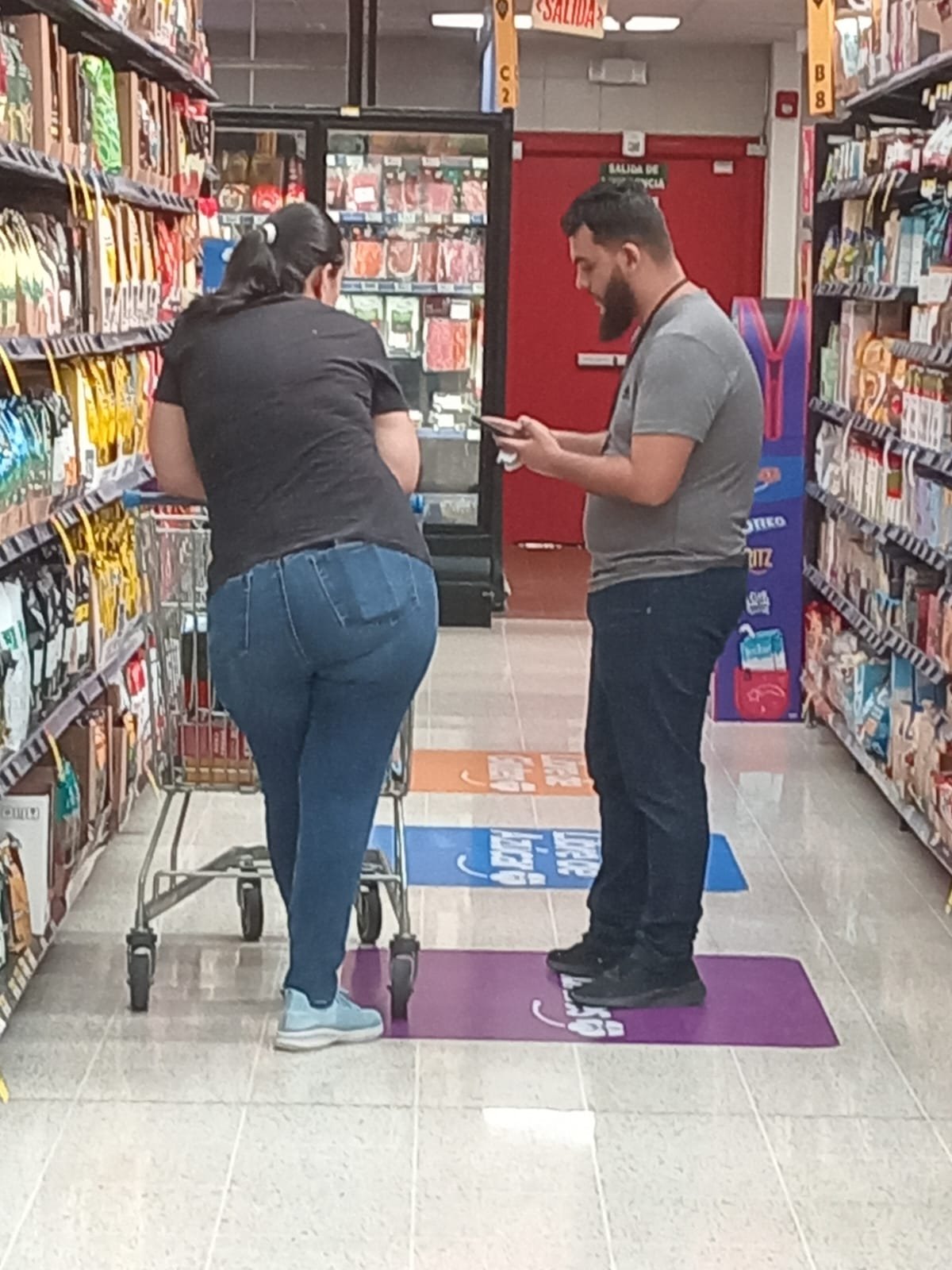
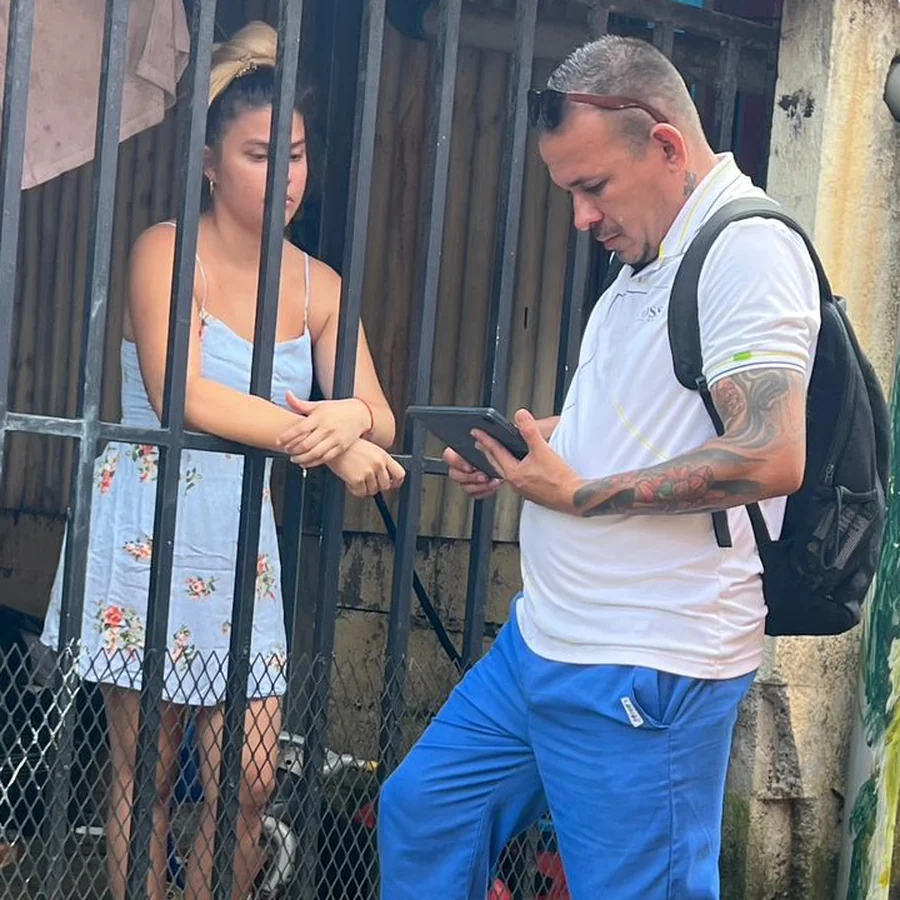
We do not ask consumers what they think. We watch what they do. In their kitchens. In the aisle. At the moment of decision. With cameras when permitted, with field researchers trained in observation when not. The data we collect is behavioral first — what was picked up, what was rejected, what was hesitated over, what was bought without thought.
Behavior alone gives us the surface. Insight begins one layer below — in the gesture that contradicts the focus group, the silence that precedes a purchase, the small refusal that reveals a category truth. Thirty years of regional fieldwork have trained us to see what the consumer does, and to understand what their behavior is telling us that they could not.
Five proprietary systems. One discipline.
Each system addresses a specific decision moment. All share the same foundation: behavior observed in real context, read with clinical depth.
TestScape™ — Product testing where products live.
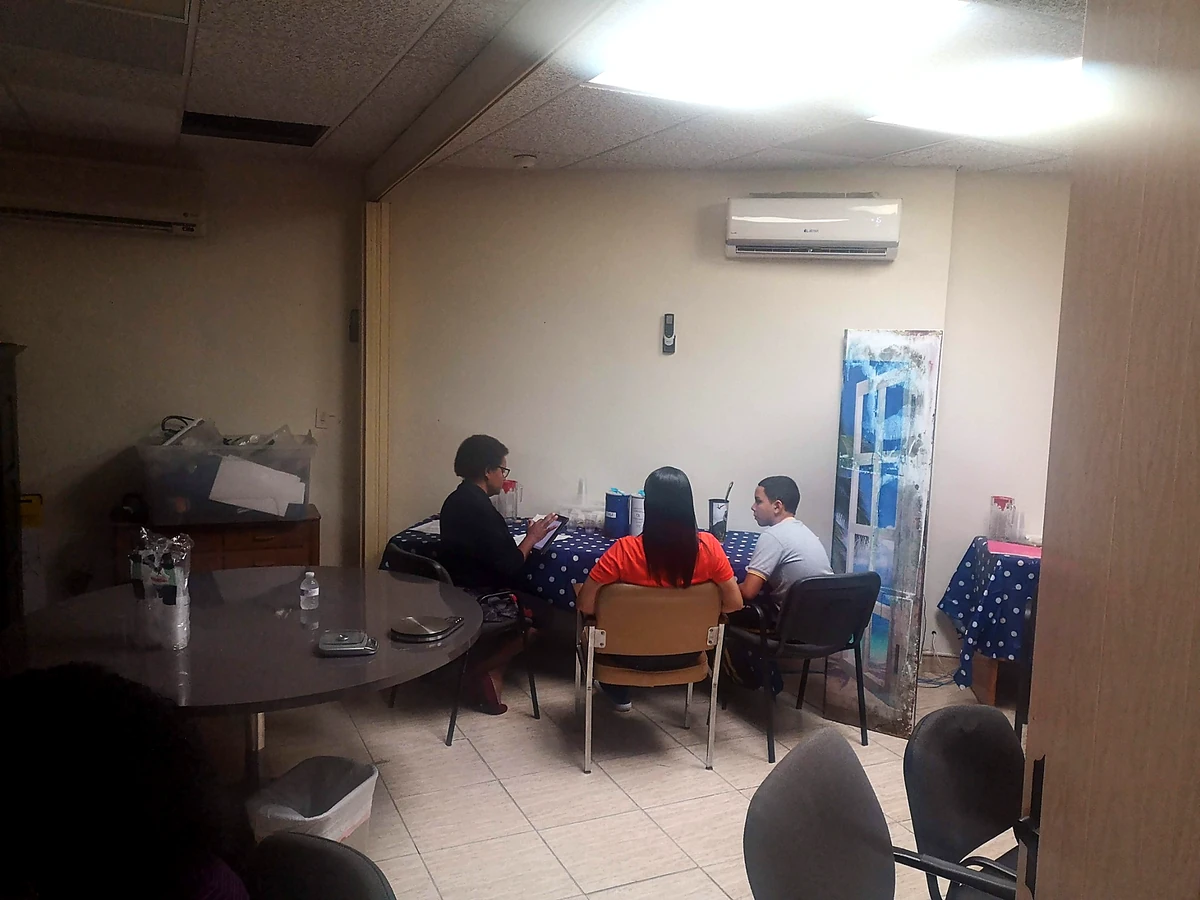
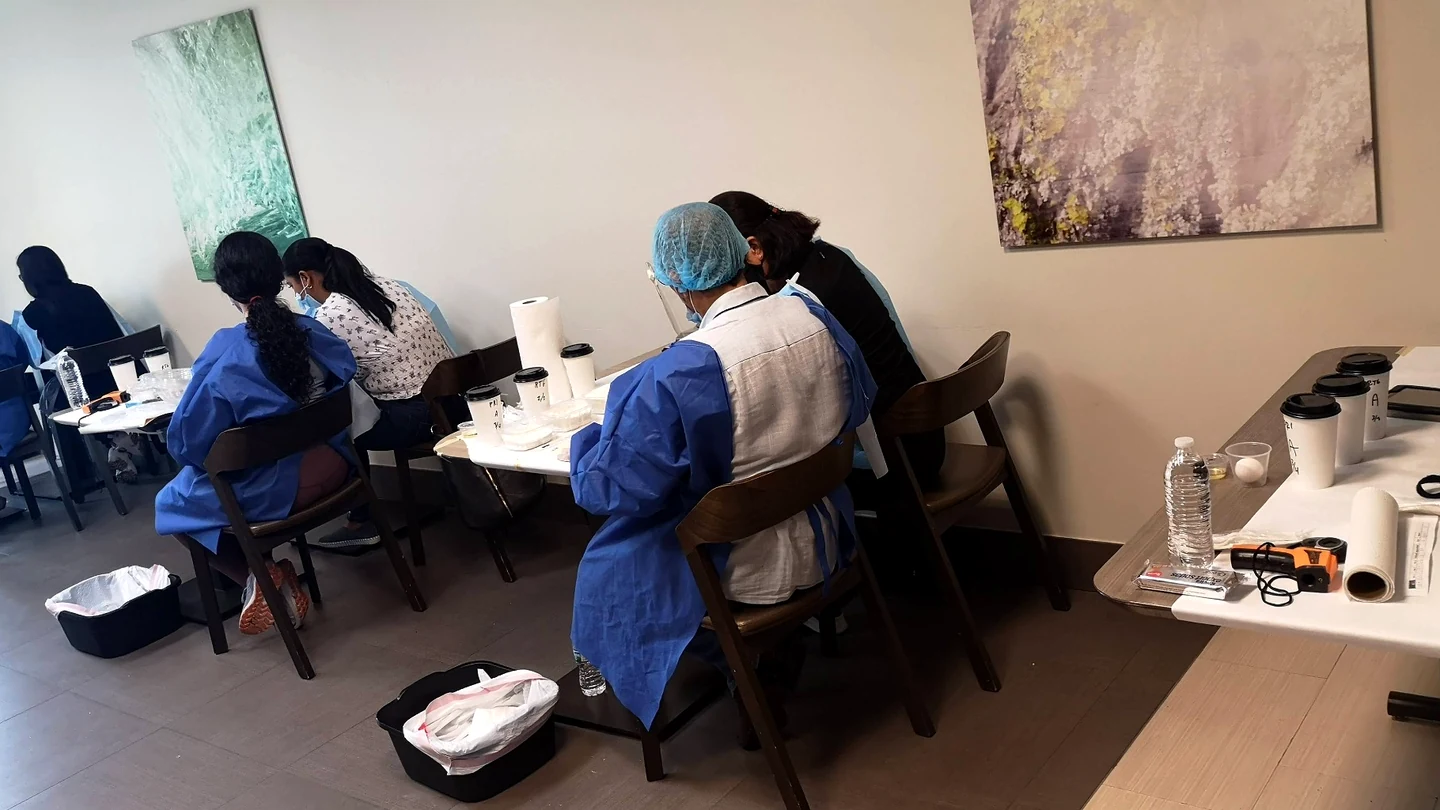
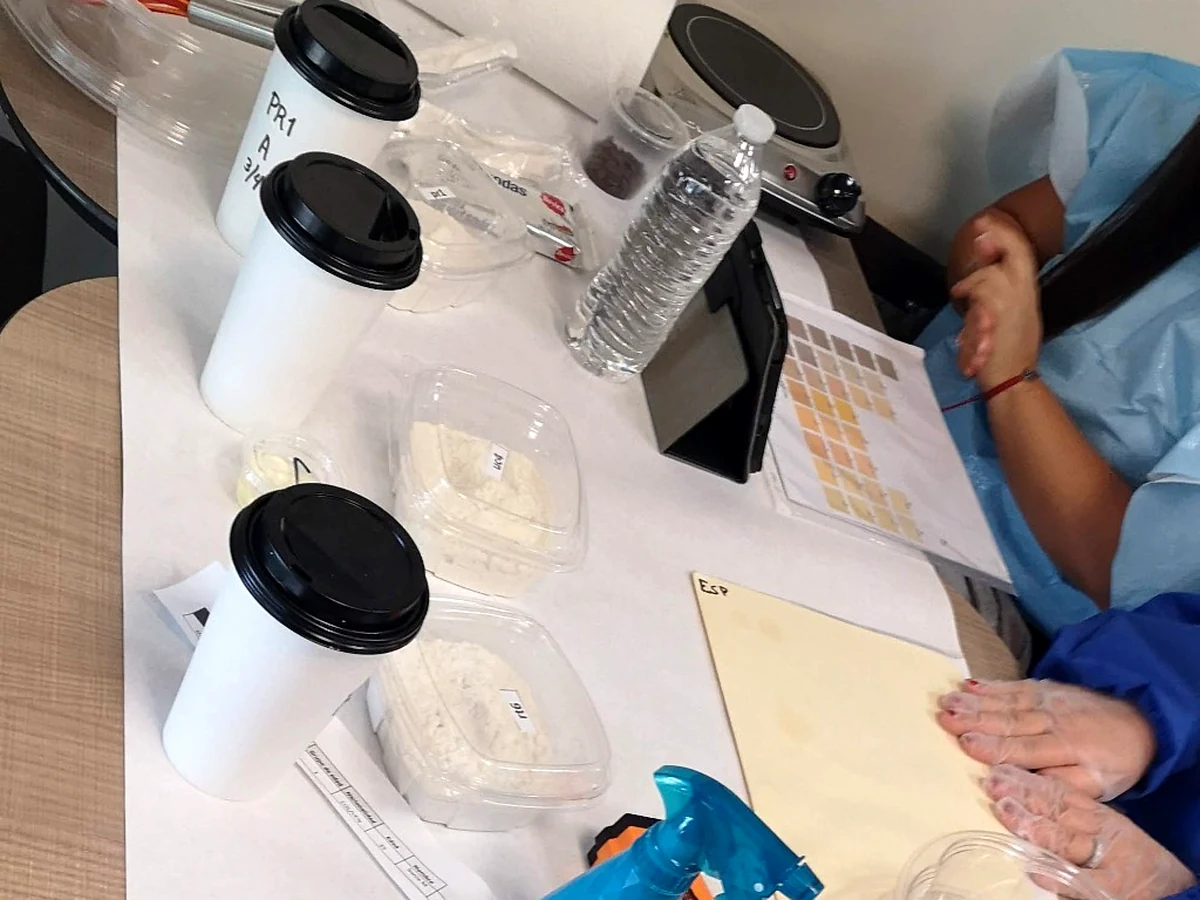
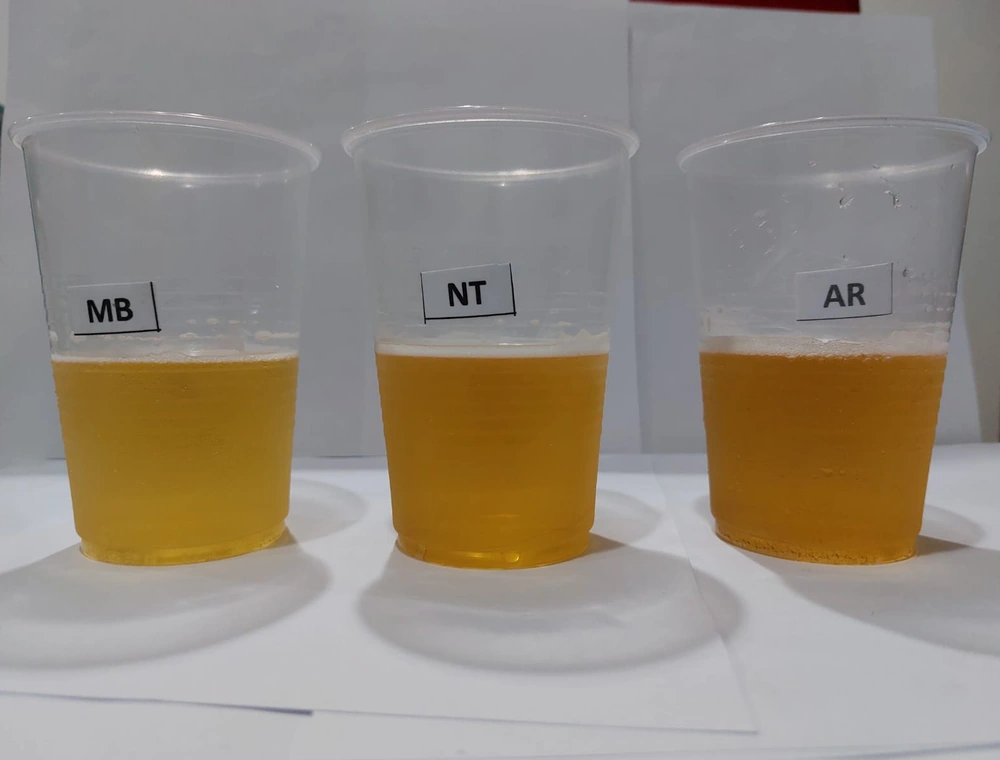
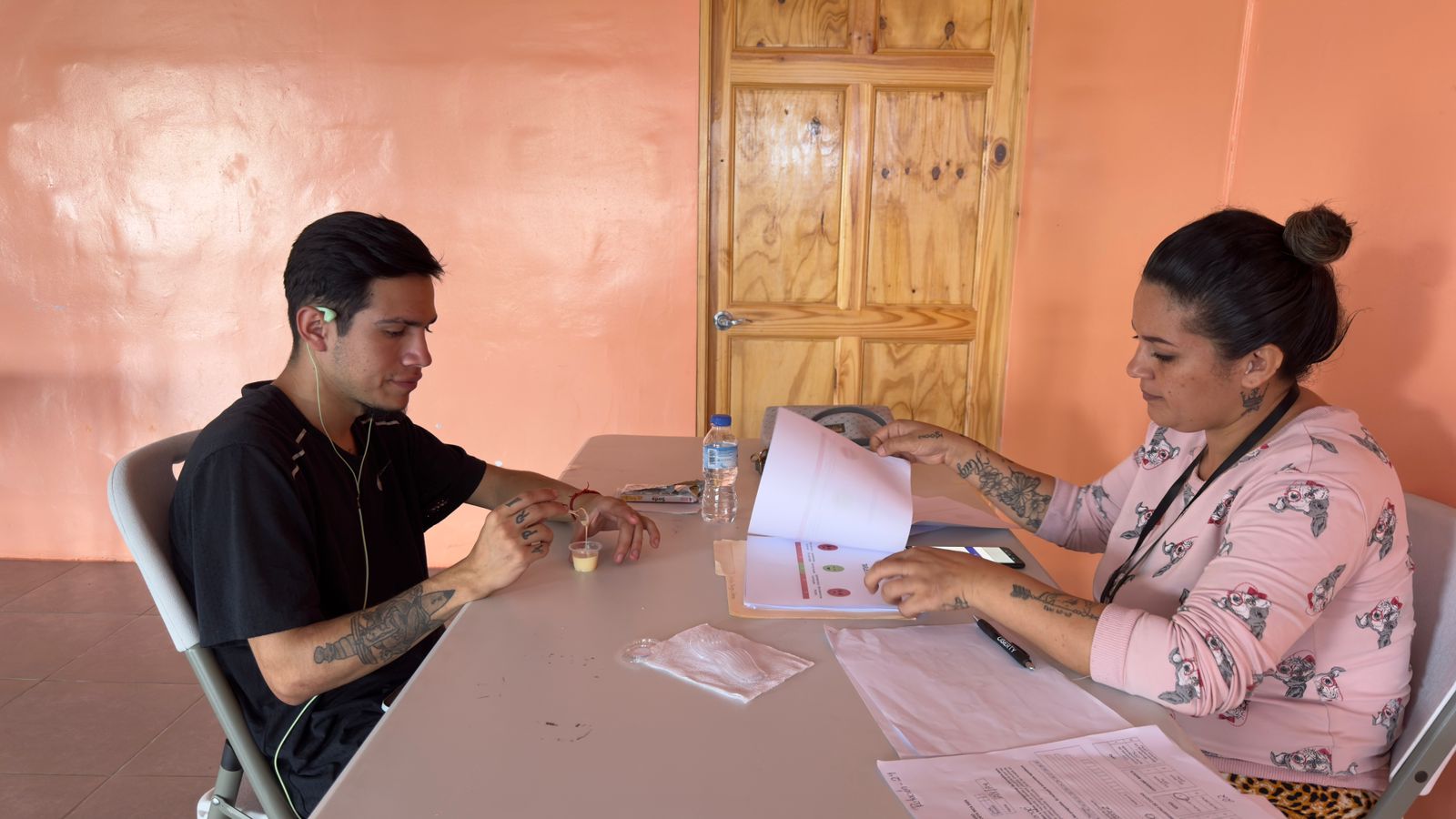
In-home and in-context evaluation of formulation, packaging, and usage. We see how your product survives the kitchen, the routine, the family — not the focus group room.
ConceptScape™ — Concepts tested against reality.
Concept evaluation with behavioral validation. Beyond stated preference: what consumers do with the concept when it stops being a stimulus and becomes a possibility.
DrinkScape™ — Beverage research with category fluency.
Specialized methodology for beverages — alcoholic, non-alcoholic, functional, traditional. Built around the rituals, occasions, and social codes that govern beverage consumption in Latin markets.
ShopperScape™ — Decision in the aisle.
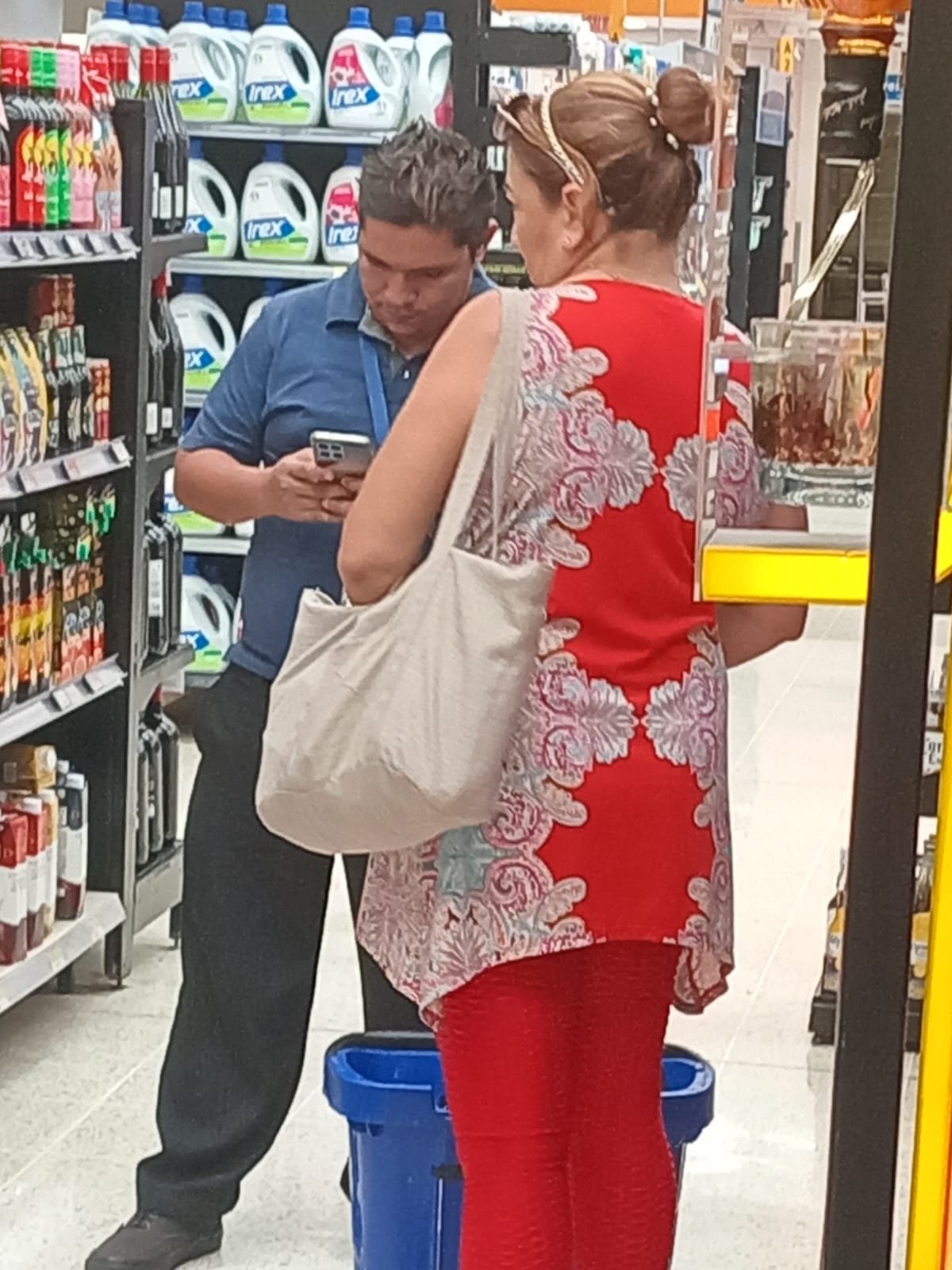
Point-of-sale observation, shopper journey mapping, and category management research grounded in the actual store, with the actual shopper, in the actual moment of choice.
PrecisionSourcing™ — A different model of agency engagement.
Not project-by-project. A modular operating system that combines an annual study floor, a service-level agreement, and the capacity to launch extraordinary studies at the speed your business actually moves. Learn more →
The model built for the post-panel, AI-accelerated era.
PrecisionSourcing™ is what the global agency model would look like if it were redesigned today. Instead of negotiating each study individually, you operate with a defined annual study floor — predictable, budgeted, planned. On top of that floor, an SLA guarantees response time and methodology standards. And when the business demands an extraordinary study, the structure is already in place to launch it without a six-week procurement cycle.
The result is fieldwork delivered with regional fluency, AI-assisted analysis at a fraction of the time global agencies require, and a cost-benefit ratio that makes the comparison uncomfortable for incumbents.
PrecisionSourcing™ is designed for marketing leaders managing portfolios across multiple Central American and Caribbean markets, who need consistency, speed, and depth — and who have stopped accepting the trade-offs the previous model required.
Seven countries. Three decades of regional fluency.
SCM operates across Central America, the Caribbean, and the US Hispanic market — not as a coordinator subcontracting local vendors, but as the regional firm itself. Our field teams, methodology, and quality control are unified across all markets we serve.
The consumer in San Salvador does not behave like the consumer in San José. The shopper in Tegucigalpa makes different category decisions than the shopper in Panamá. Regional fluency is not a claim. It is a thirty-year accumulation of fieldwork, language, hierarchy, and pattern recognition that no global firm replicates from outside the region.
Costa Rica · Guatemala · El Salvador · Honduras · Nicaragua · Panamá · Dominican Republic · US Hispanic markets
The brands that have stopped accepting the trade-offs.
We work with marketing leaders, brand managers, innovation teams, and category directors who have stopped equating agency size with insight quality. Among them:
Multinational FMCG brands
Managing Central American portfolios from regional or global headquarters, who need consistent methodology across markets without the global agency cost structure.
Regional CPG companies
Competing against multinationals with smaller budgets, who need research that punches above its weight and arrives in time to act on.
US Hispanic-focused brands
Seeking authentic insight into consumers whose behavior cannot be inferred from general market panels.
Innovation and R&D teams
Developing products for Latin markets, who need behavioral validation in real usage contexts, not concept polls.
Three decades of context. Built by a researcher. Trusted by the names you already know.
SCM was founded by Hugo Mendieta after fifteen years leading consumer research across Central America, including senior roles at GfK, Sigma Dos, and STC Consultores. The firm was built on one conviction: that the most reliable signal in consumer behavior comes from the consumer’s own behavior, observed where it actually happens — in homes, in stores, in the moments brands rarely get to witness directly.
For over two decades, SCM has been the regional fieldwork engine behind studies commissioned by Kantar Mercaplan, Ipsos, and Dichter & Neira across Central America and the Caribbean. The methodology, the trained field teams, the household reach, and the quality control that international firms have relied on for their regional deliverables — that is SCM. What used to operate as the invisible layer of regional fieldwork is now available directly to the brands those firms served, without the markup of intermediation.
Our discipline unifies under a simple principle: AI to process. People to connect. Context to capture. The standard is global. The execution is regional. And the cost-benefit equation, for brands willing to engage the source rather than the intermediary, has no comparison in the markets we serve.
Questions brands ask before they engage us.
How does SCM differ from a global research agency?
Global agencies operate from regional or global hubs and subcontract local fieldwork. SCM is the local fieldwork operation — directly. For over two decades we executed regional studies on behalf of the largest international firms working in Central America. Engaging us means engaging the source rather than the layer above it. The cost structure, response time, and contextual fluency reflect that distinction.
What does «real context» actually mean in your methodology?
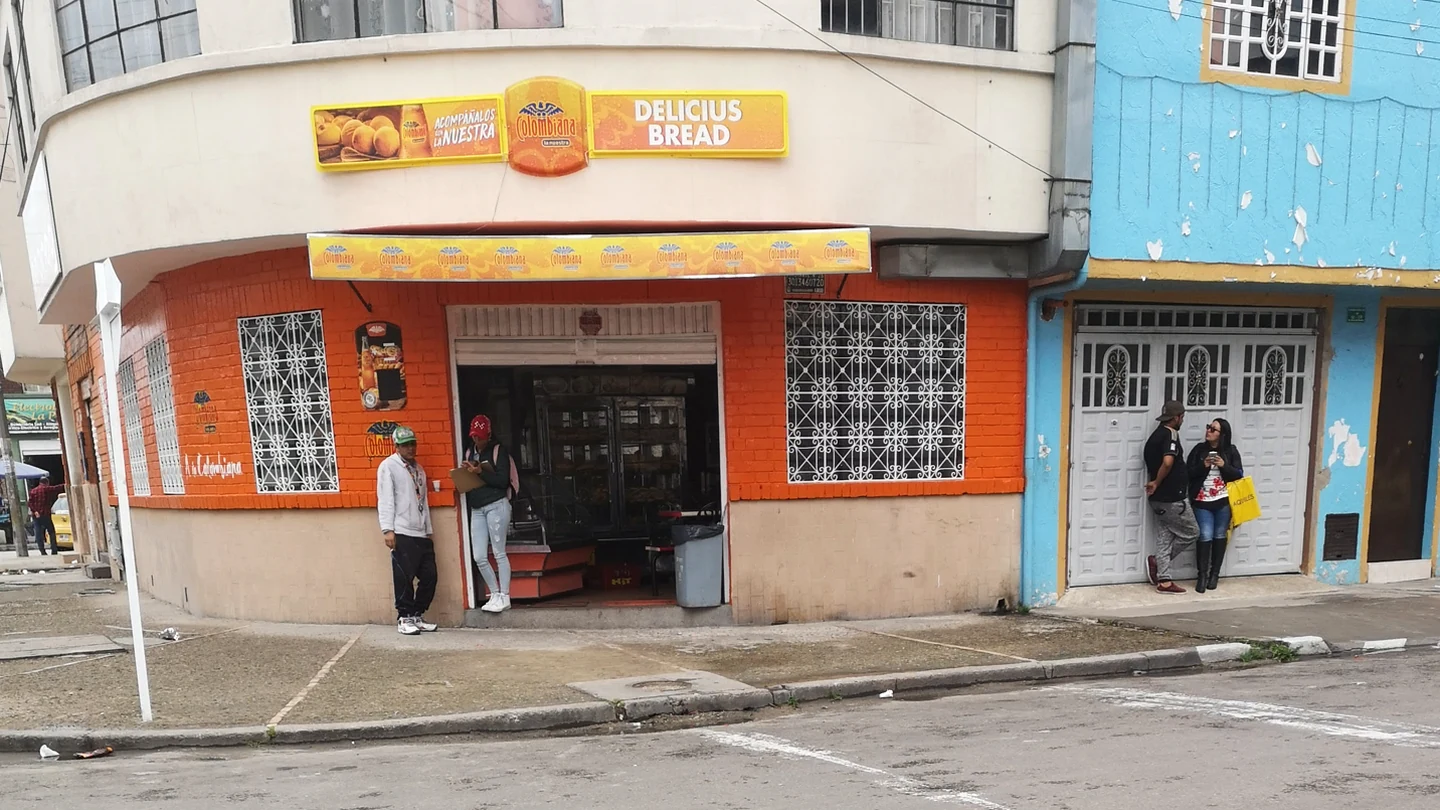
We collect behavioral data where consumers live and decide: in their kitchens, in pulperías, in supermarket aisles, at the moment of purchase. We use cameras, in-home observation, point-of-sale shadowing, and trained field researchers who understand the language, the hierarchies, and the rituals that shape consumption in each market. We do not rely on online panels for behavioral evidence, and we do not treat declared preference as a proxy for behavior.
Why have you moved away from online panels?
The panel ecosystem in Latin America has degraded measurably. Professional respondents, multi-account answerers, and AI-generated submissions have eroded data quality across most syndicated panel providers. For the categories we study — FMCG, beverages, packaged goods, retail — declared responses from incentivized panelists rarely predict shelf behavior. We use panels selectively when the methodology demands it, but our default is observation in real context.
How does AI fit into your work?
AI accelerates processing — transcription, coding, thematic analysis, synthesis — tasks that historically required weeks of analyst time. We use it deliberately to compress timelines and reduce cost. AI does not replace the interpretive layer, which remains the work of senior researchers reading behavior with clinical depth. The principle is simple: AI to process, people to connect, context to capture.
What is PrecisionSourcing™ and how is it different from project-by-project engagement?
PrecisionSourcing™ is a modular service model designed for marketing leaders managing portfolios across multiple markets. It combines an annual study floor (predictable, budgeted), a service-level agreement (response time and quality guarantees), and capacity for extraordinary studies launched without procurement delay. The model eliminates the friction of negotiating each study individually and gives the brand a regional research operation behind it, year-round.
Which markets do you cover, and how is fieldwork unified across countries?
Costa Rica, Guatemala, El Salvador, Honduras, Nicaragua, Panamá, Dominican Republic, and the US Hispanic market. Field teams are SCM personnel under unified methodology and quality control across all markets. We do not coordinate independent local vendors. The team that executes a study in San Salvador operates under the same protocols as the team in Santo Domingo, which makes regional comparability genuine rather than approximated.
What categories do you specialize in?
FMCG (food, beverage, household, personal care), retail and shopper behavior, beverages (alcoholic, non-alcoholic, functional, traditional), packaged goods, and product innovation across consumer categories. Within beverages we have particular depth, which is why DrinkScape™ exists as a dedicated system. We have executed studies for multinational CPG brands, regional manufacturers, and US Hispanic-focused brands across all of these categories.
How do we start a conversation with SCM?
Two paths. If you want to see how we work before discussing a project, request our methodology brief and a short walkthrough of recent fieldwork. If you already have a study in mind or a portfolio decision pending, schedule a thirty-minute conversation directly with Hugo Mendieta. No discovery call hierarchy, no junior account intake. The fastest way to know whether SCM fits your situation is to talk with the person who built the firm.
Talk to the person who built SCM.
If anything on this page resonated with where your team is right now — with the studies that confirmed what you already knew, with the timelines that arrived after the decision, with the quiet sense that the model needs to change — start there. A thirty-minute conversation costs nothing and clarifies a great deal.