Updated July 2026
You know the terminology. IHUT. HUT. Blind test. Monadic. Sequential monadic. Diary study. The question isn’t whether to run an in-home use test — it’s whether you can find an operator in Central America and Latin America who actually executes it the way it’s supposed to be done: in real homes, with real consumers, without a panel, with live data from day one.
Most providers in the region use online panels, delayed surveys, or subcontracted fieldwork. What they deliver is declaration — what consumers say they did, filtered through memory and social desirability. What you need is behavior: how the package opens, when the product gets abandoned, what sits next to it on the shelf.
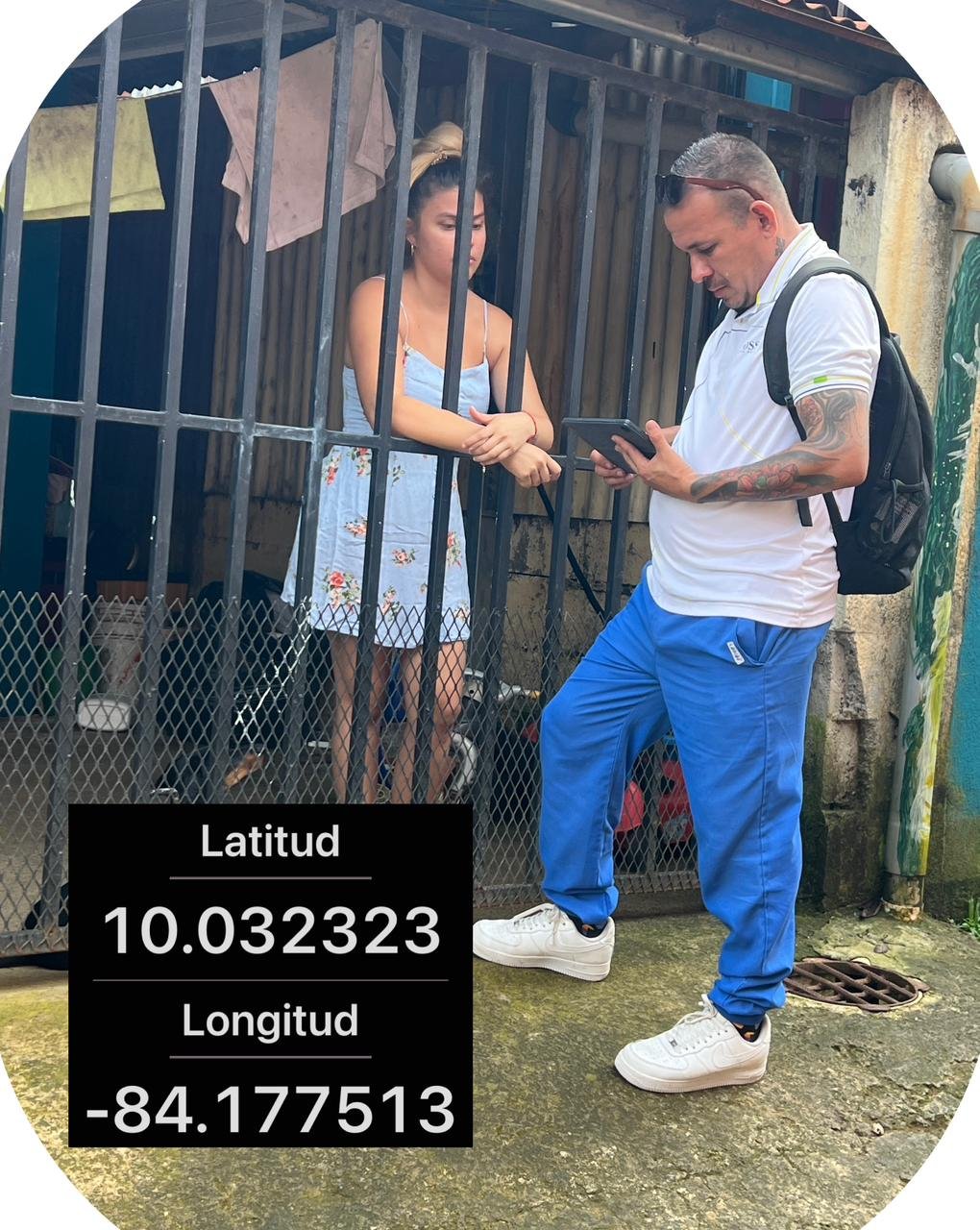
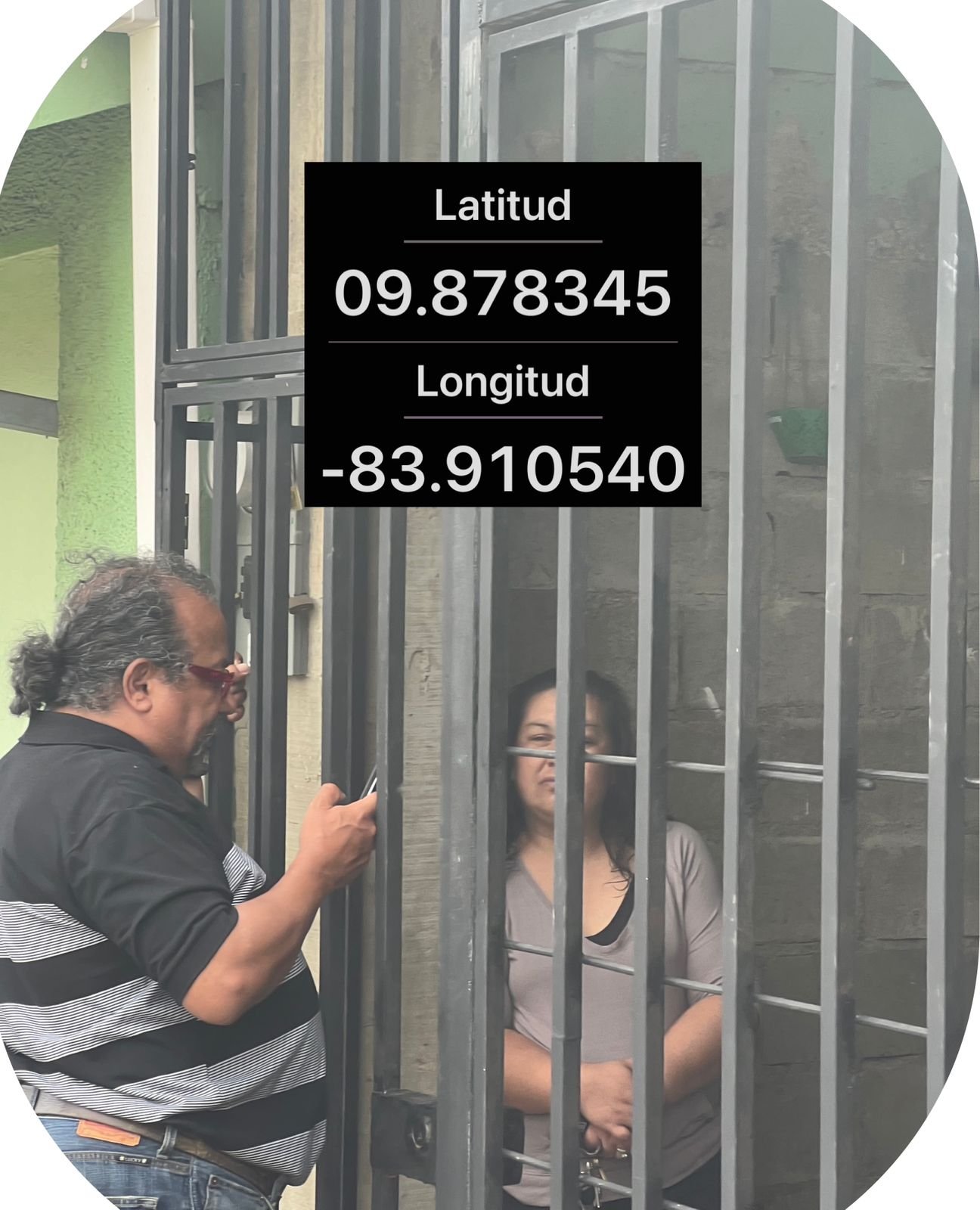
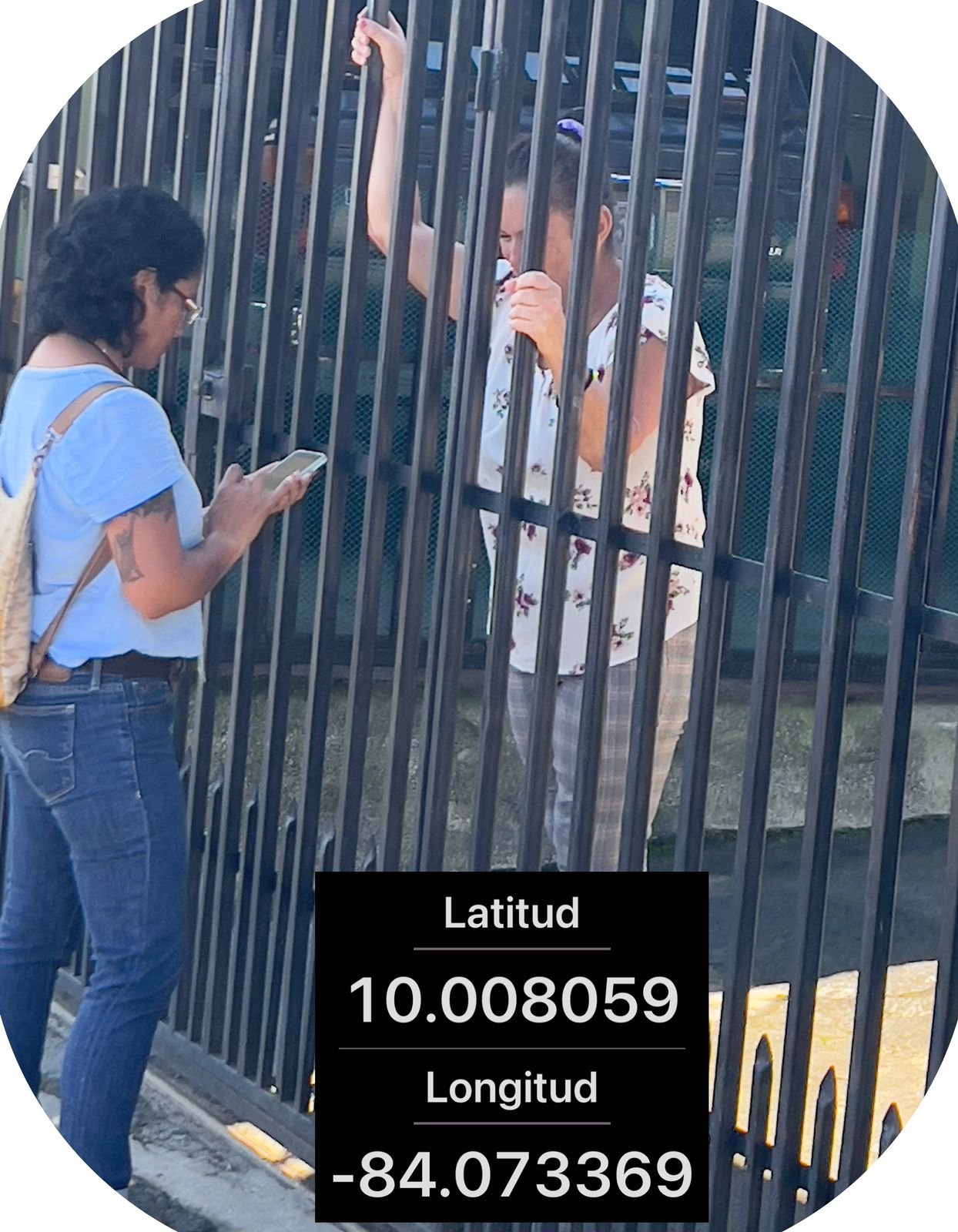
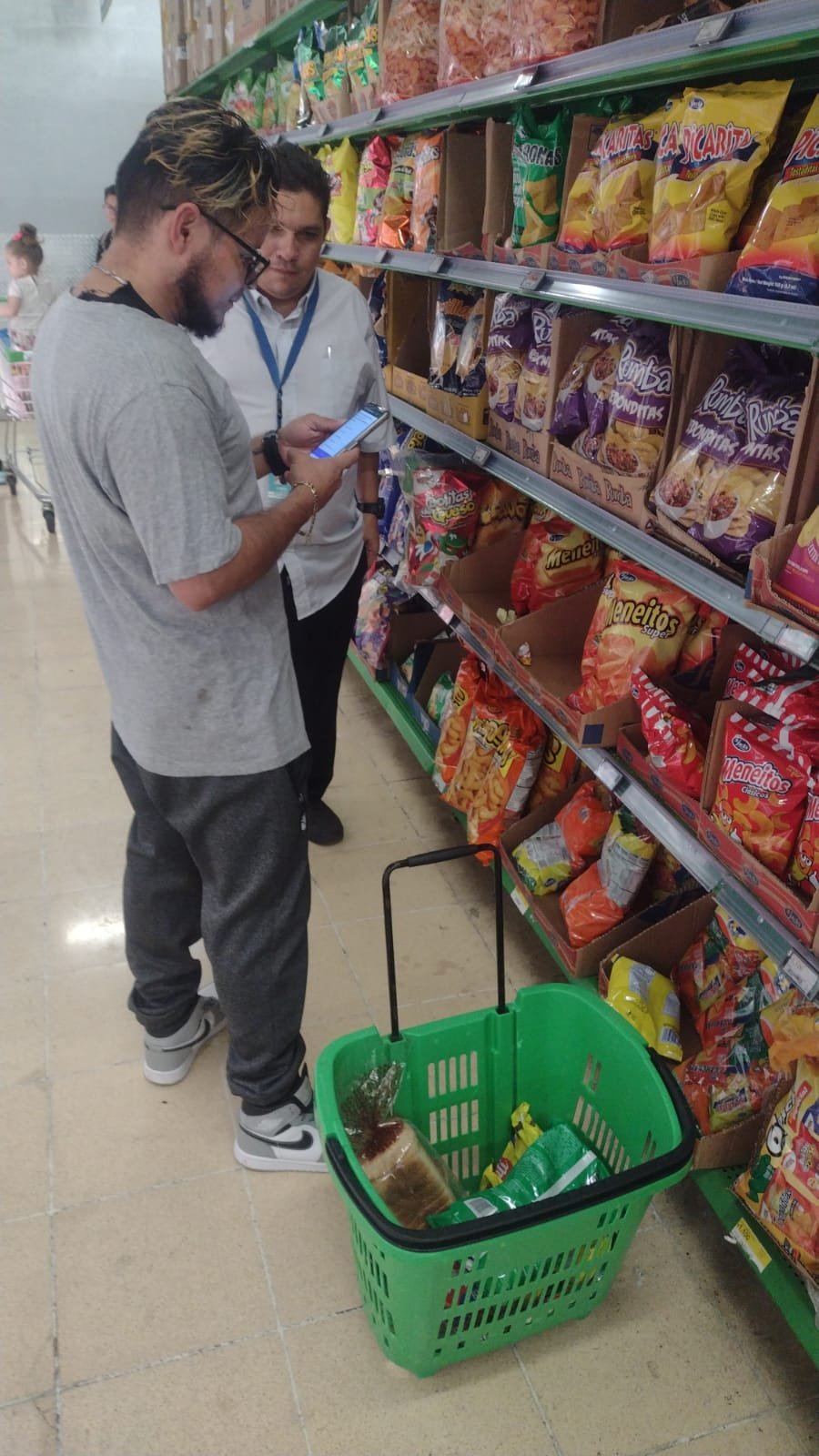
SCM has run in-home use tests with its own field operation in Central America for 30 years. No panels. No intermediaries. No subcontractors. Real households, real use conditions, dashboard access from day one across 13 markets in LATAM and the US Hispanic market.
Every name for the same methodology
Depending on the industry, client, and context, the same research type appears under different labels. All of them refer to the same fundamental design: a consumer uses the product in their own home, under real usage conditions, and provides feedback from that actual use — not from memory, not from a controlled environment.
- IHUT (In-Home Use Test): the standard term in CPG market research and global research firms.
- HUT (Home Use Test): the abbreviated North American variant. Same methodology.
- iHUT: the lowercase variant used by digital research platforms (Rival Technologies, Centercode, etc.).
- Home usage test / in-home usage test: extended variants, same design.
- Blind product test / blind test: an IHUT variant where the product arrives with no brand identification. Measures intrinsic product performance, free from brand equity contamination.
- Monadic test: one consumer, one product, no direct comparison. Produces a clean acceptance benchmark without contrast bias.
- Sequential monadic test: the same consumer tests two products in sequence without knowing which brand is which. Detects perceived differences that isolated monadic testing misses.
- Concept + product test (IHUT with concept): product is delivered alongside a positioning concept. Measures whether the concept amplifies or contradicts the use experience.
- Diary study / in-home diary test: consumer logs usage over days or weeks. Captures frequency patterns, abandonment moments, and attitudinal shifts over multiple use occasions.
- CLT vs. IHUT: Central Location Testing brings consumers to a controlled facility. IHUT takes the product to the consumer’s home. The difference isn’t logistical — it’s epistemological: one captures behavior in context, the other captures response in an artificial setting.
- In-context product test / real-environment product test: used by innovation teams emphasizing usage environment over testing protocol.
What separates a real IHUT from what most regional providers deliver
The problem isn’t that IHUT isn’t done in Central America and LATAM. The problem is that most of what’s sold as IHUT doesn’t meet the methodological standard the label implies. There are three versions in the market:
Version 1: Panel-based IHUT — the most common, the least valid
Product is shipped to registered panel members. They use it and respond to an online survey days later. The structural problem: panel members are volunteers who repeatedly participate in research for incentives. They don’t represent ordinary consumers. They have participation bias, social desirability bias, and memory distortion. The data reflects what they think they should say — not what they did. See our full comparison of online panels vs real-context testing.
Version 2: Field-recruited IHUT with delayed data capture
Recruitment happens without a panel — real consumers under demographic quotas — but data capture is a survey sent days after use. The consumer no longer remembers exactly how the third use went, when they stopped, or what they compared it to. The data exists, but it’s already been filtered by memory. Better than panel-based, but still declarative.
Version 3: Real-context IHUT with structured real-time capture
Consumer recruited in the field under strict demographic quotas — no panel. Product delivered to their actual home. Capture happens while the use occurs: in the moment, not in recall. Client accesses data via live dashboard from day one. This is the IHUT SCM executes. It’s not the most common. It’s the most valid.
IHUT designs we execute
Blind Product Test
Product arrives with zero brand identification — no label, no recognizable packaging, no name. Consumer evaluates based solely on the use experience: taste, texture, efficacy, scent, performance. The only method that measures intrinsic product advantage without brand equity amplifying or contaminating the result.
Applies especially to: pre-launch formula validation, direct competitive comparison, new variant or reformulation evaluation, sourcing decisions where the difference between suppliers is sensory.
Monadic IHUT
One consumer, one product. No direct comparison. The evaluation is isolated — not contaminated by the contrast effect that sequential comparison generates. Ideal for establishing a category acceptance benchmark or measuring absolute acceptance before deciding whether a comparative design is warranted.
Sequential Monadic IHUT
The same consumer tests two products in sequence — without knowing which brand is which — with a washout period between them. Detects perceived differences that isolated monadic testing misses because there is no contrast. The standard design for direct competitive comparison and reformulation decisions where the difference between versions is subtle.
Concept + Product IHUT
Product is delivered alongside a positioning concept: a brand proposition, a benefit promise, a communication territory. The objective is to measure whether the concept amplifies the use experience or contradicts it. Products that perform well in blind use but whose brand promise generates expectations the product doesn’t fulfill — that gap is detected here, before launch.
Diary Study (Extended IHUT)
Consumer logs usage over an extended period: 1, 2, or 4 weeks depending on the product’s use cycle. Captures what single-use tests cannot: frequency patterns, abandonment moments, perception shifts after the first week, behavior across multiple consumption occasions. Applies especially to personal care, household cleaning, recurrently consumed foods, and any category where performance accumulates over time.
DrinkScape™ — IHUT specialized for beverages and foods
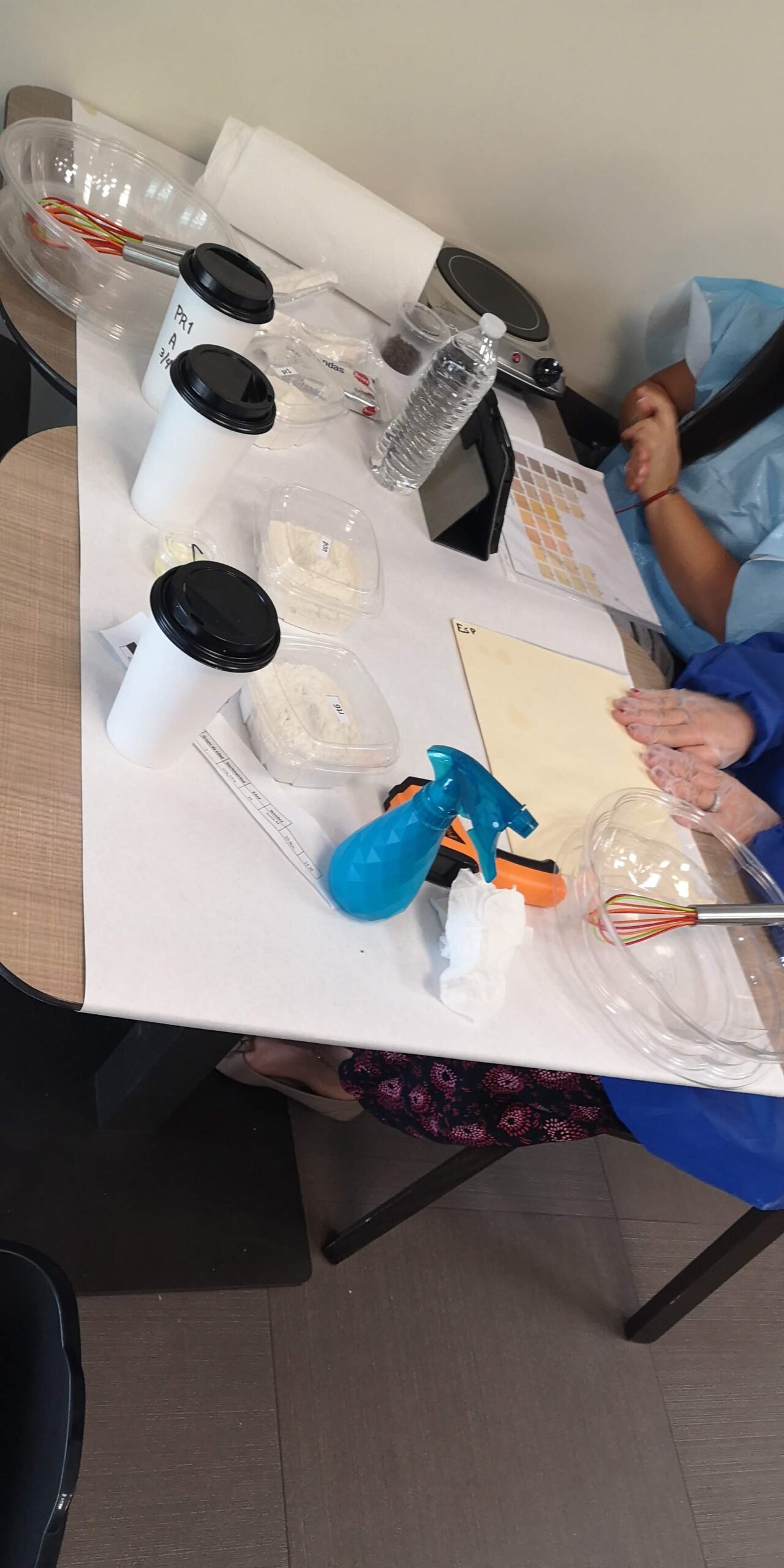
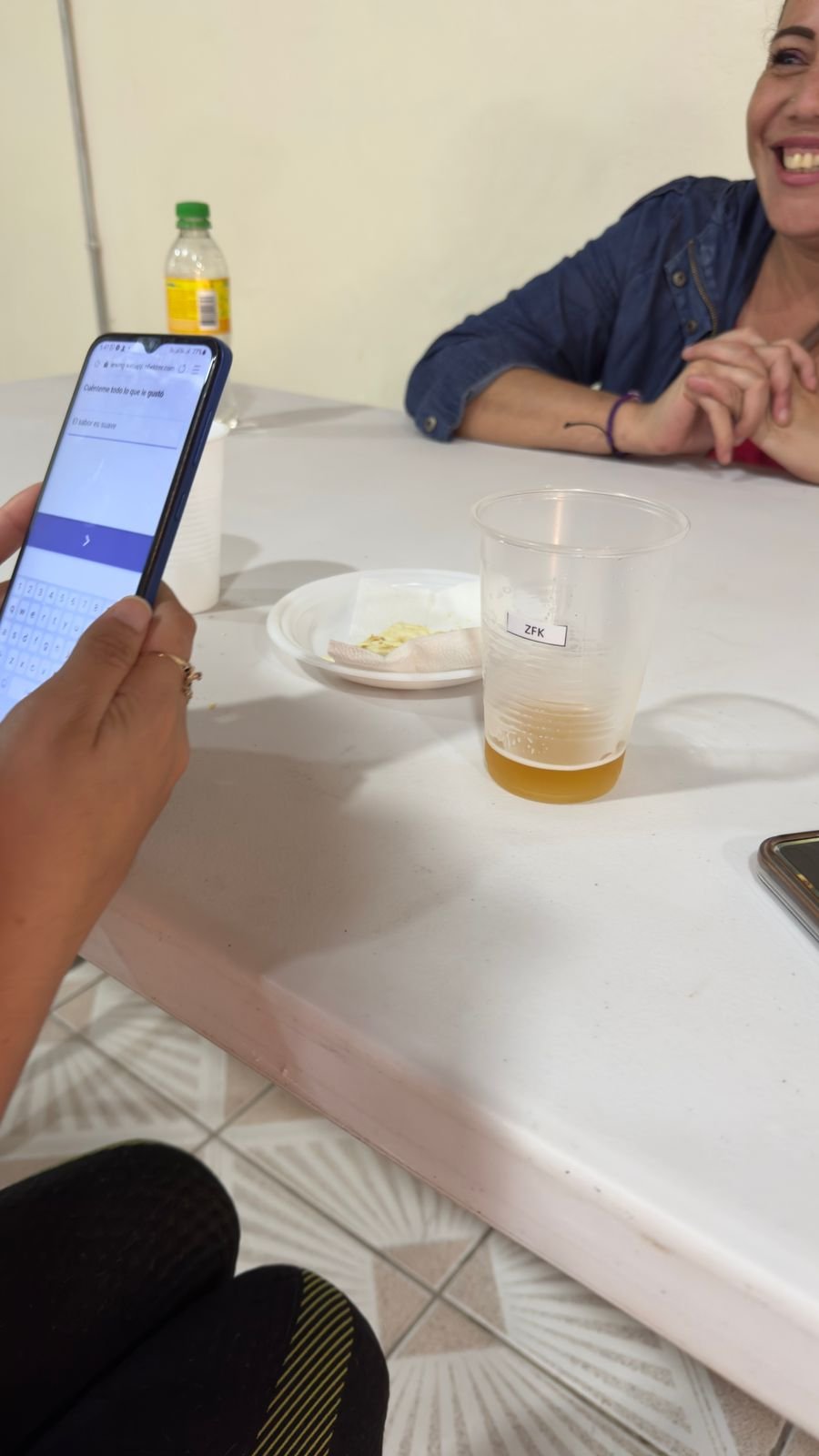
SCM’s proprietary protocol for beverage and food research in real consumption context. Combines sensory evaluation, hedonic response, and emotional capture at the moment of consumption — not in retrospect. Designed specifically for Central American and Latin American consumption conditions: real ambient temperature, region-specific consumption occasions, comparison in a natural competitive environment.
The «real context» narrative problem — and how to audit any provider
In recent years, «real context,» «no declarative bias,» and «in-home behavior» became standard marketing language for research providers across the region. Many companies adopt the narrative. Few have the infrastructure to back it up.
Four questions cut through the noise:
- How do you recruit? If the answer involves a pre-existing panel or a volunteer database, the sample has structural participation bias — it doesn’t represent the ordinary consumer who will make the actual purchase decision.
- Do you have your own field operation or do you subcontract? Subcontracting field means losing quality control at the most critical point of the study.
- When do you capture the data? If capture is an online survey sent three days after use, the data has already passed through the memory filter. That’s not real-time — it’s retrospection.
- Can the client see data while the field is running? If the answer is «when we close field and process,» there’s no live dashboard — just a delayed report. The window to intervene in the study has already closed.
SCM answers all four with operational reality: field recruitment without panels under strict demographic quotas; own field operation in Costa Rica and supervisor network across Central America; structured capture at the moment of use; live dashboard with client access from day one.
TestScape™ — SCM’s IHUT system
TestScape™ is SCM’s proprietary methodology for real-context product testing. Not a global template adapted for Latin America — a methodology built specifically for the Central American and Latin American consumer, calibrated over 30 years of regional field operation.
- Field recruitment under strict demographic quotas, no panel
- Product delivered to the consumer’s actual home
- Structured capture protocol at the moment of use, not from recall
- Blind, concept, monadic, or sequential monadic options
- Live dashboard with client access from day one of fieldwork
- Revealed behavior analysis — not just declaration
- Coverage in 13 markets: Costa Rica, Guatemala, El Salvador, Honduras, Nicaragua, Panama, Mexico, Colombia, Peru, Chile, Dominican Republic, Puerto Rico, and the US Hispanic market
IHUT vs. the alternatives
PrecisionSourcing™ — methodological rigor without an oversized agency structure
One of the most common reasons insights teams in multinationals don’t run IHUTs as frequently as they should is perceived cost. Traditional agency research inflates costs with structures that add no value to the data: intermediaries, overhead, delayed processes, deliverables that arrive weeks after the decision can no longer wait.
PrecisionSourcing™ is SCM’s operating model: no unnecessary intermediaries, no oversized structure. You pay for what’s executed, not for what you don’t see. SCM is the direct executor — not a coordinator of subcontractors. That architecture lowers cost, shortens timelines, and raises data quality. It’s not a discount. It’s a different way of operating that the traditional agency model cannot replicate.
SCM operates as the field infrastructure that international research firms rely on when they need real execution across the region. That’s the same infrastructure available to you directly, without the agency markup layer.

Frequently asked questions
What is an IHUT?
IHUT stands for In-Home Use Test. It is a market research methodology where a consumer receives a product to use in their own home under real, everyday usage conditions. Unlike laboratory testing or panel surveys, a properly executed IHUT captures actual behavior — not declaration or simulation.
What’s the difference between IHUT and HUT?
None, substantively. HUT (Home Use Test) is the abbreviated North American variant of the same methodology. IHUT is more common in global CPG firms and Anglo market research. Both refer to product testing conducted in the consumer’s home under real usage conditions.
What is a blind product test?
A blind product test is an IHUT variant where the product arrives with no brand identification — no label, no recognizable packaging, no name. The consumer evaluates the product solely on the use experience: taste, texture, efficacy, performance. It eliminates brand equity effects entirely and is the only method that measures intrinsic product advantage.
What is a sequential monadic test?
A sequential monadic test is a design where the same consumer tests two products in sequence without knowing which brand is which, with a washout period between them. It detects perceived differences that isolated monadic testing misses because there is no contrast. Standard for direct competitive comparisons and reformulation decisions where differences are subtle.
How long does an IHUT take in Central America?
Depends on design. A blind monadic in-home test can complete fieldwork in 7 to 14 days. A sequential monadic requires 10 to 18 days. A diary study with recurring consumption can extend to 3 to 4 weeks. The live dashboard allows the client to make decisions while field is still running, without waiting for closure.
What’s the difference between IHUT and CLT?
CLT (Central Location Test) brings consumers to a central facility — a mall, a test center — to evaluate the product under controlled conditions. IHUT takes the product to the consumer’s home. In a CLT, the product competes in an artificial environment. In an IHUT, it competes with the consumer’s actual life: the other products they already own, their familiar packaging, their real sensory context. That changes the result.
Which markets do you cover for IHUT in Latin America?
Costa Rica, Guatemala, El Salvador, Honduras, Nicaragua, Panama, Mexico, Colombia, Peru, Chile, Dominican Republic, Puerto Rico, and the US Hispanic market. Urban, rural, and hard-to-reach sample coverage under strict demographic quotas, without relying on pre-existing panels.
Can you run a blind competitive IHUT?
Yes. It’s one of the most frequent designs we execute. Consumer receives both products without brand identification and evaluates them in sequence or parallel use depending on product type. The result reveals your product’s intrinsic advantage or disadvantage against the competitor, free from brand equity effects.
Why doesn’t SCM use panels for recruitment?
Because panels have structural participation bias: people who repeatedly volunteer to test products for incentives do not represent the ordinary consumer who will make the actual purchase decision at the shelf. SCM recruits in the field under strict demographic quotas, reaching the real consumer in their natural environment — not a volunteer with an atypical motivation to participate in research.
How does SCM’s pricing compare to global research firms?
SCM operates with PrecisionSourcing™ — no agency overhead layer, no intermediary markups. You’re working directly with the firm that executes the field. That’s the same infrastructure that international research agencies subcontract for their Central American fieldwork — available to you directly, without the global agency fee structure on top. Contact us and you’ll have a design recommendation and quote within 24 hours.
Let’s talk about your study
If you have a product that needs real-context validation before launch, a reformulation that requires behavioral evidence, or a sourcing decision that depends on actual preference data — write to us. Design recommendation and quote within 24 hours, no form, no waiting.
Or email us at hugo.mendietar@scm-ca.com
🇪🇸 También disponible en español: IHUT, prueba ciega y home use test en Centroamérica y LATAM