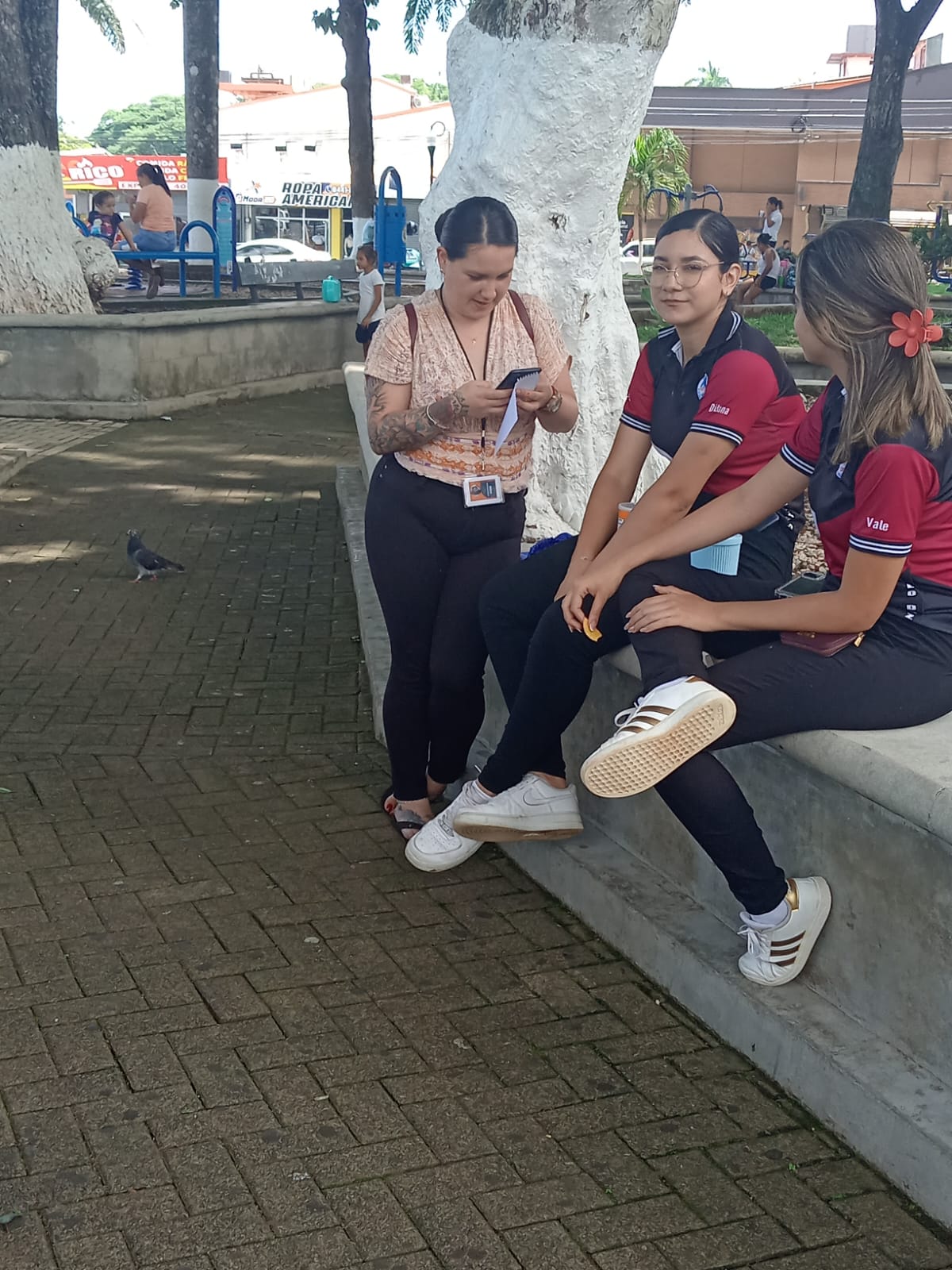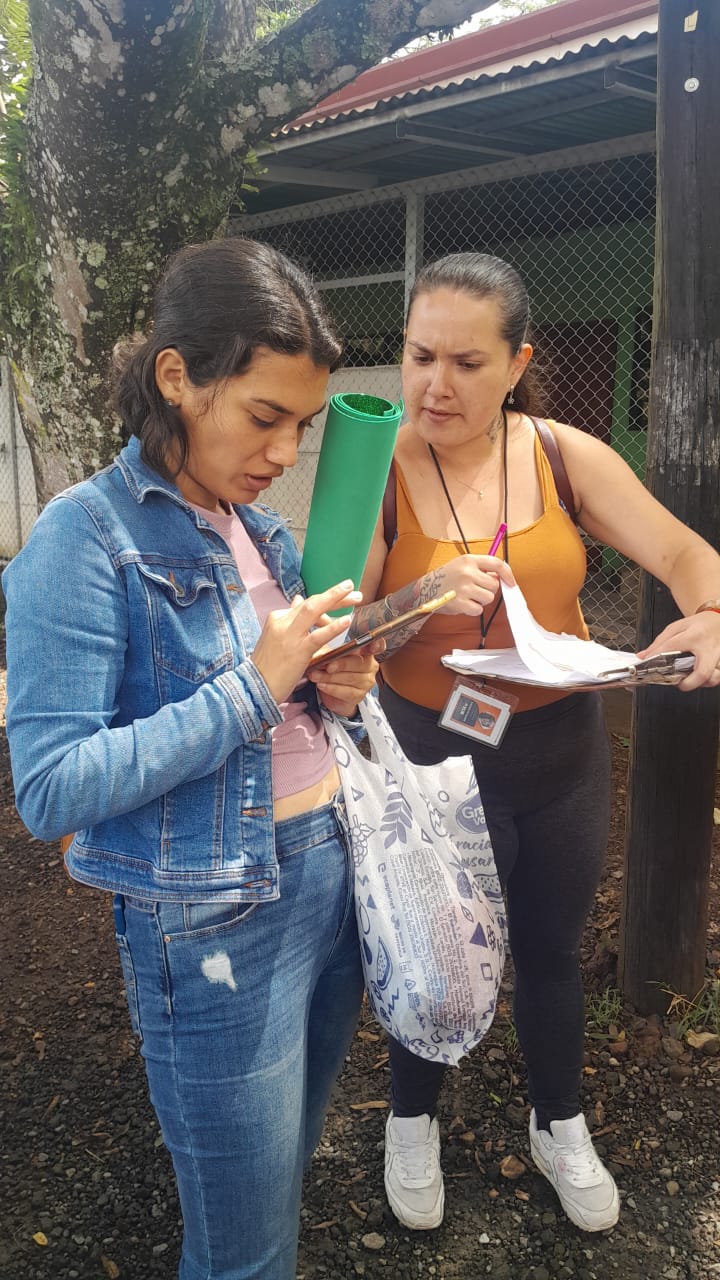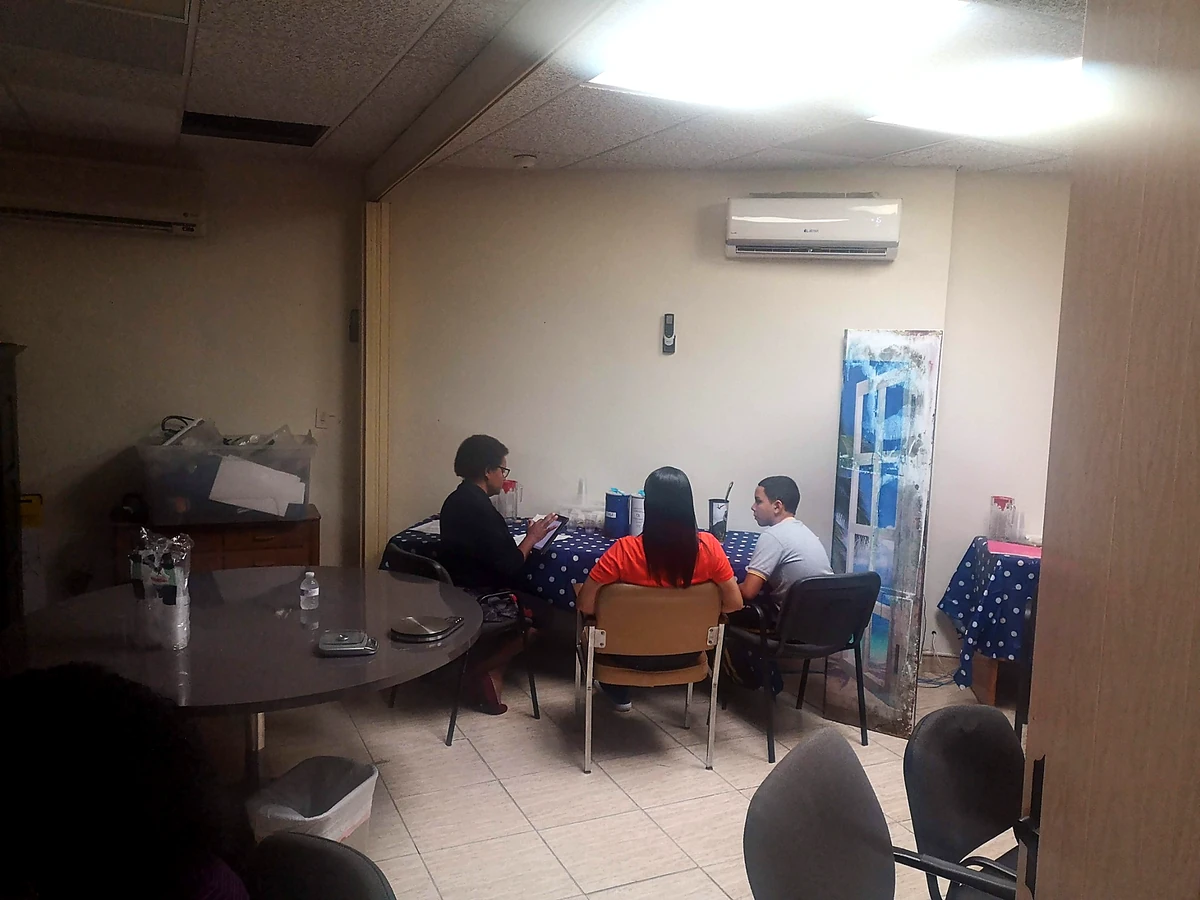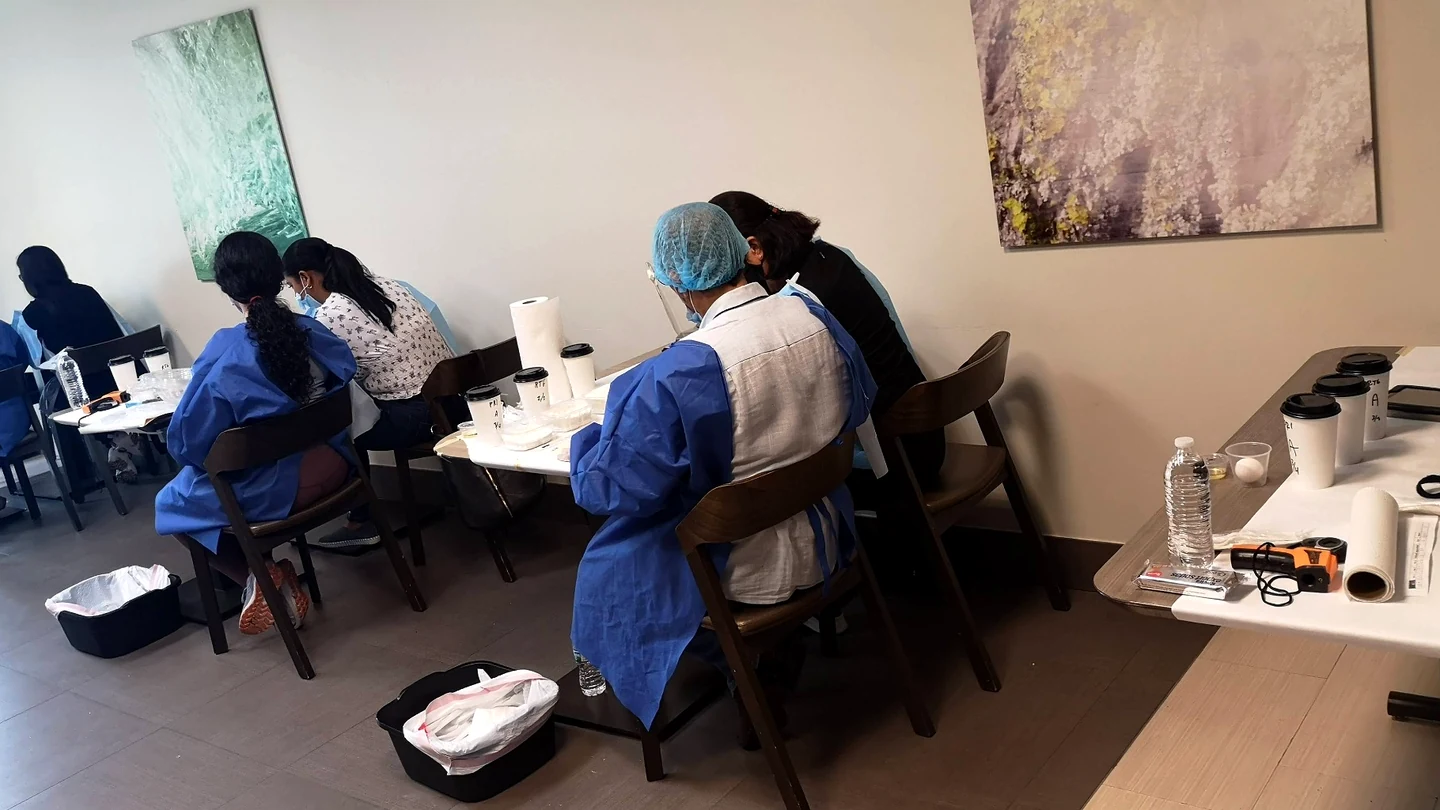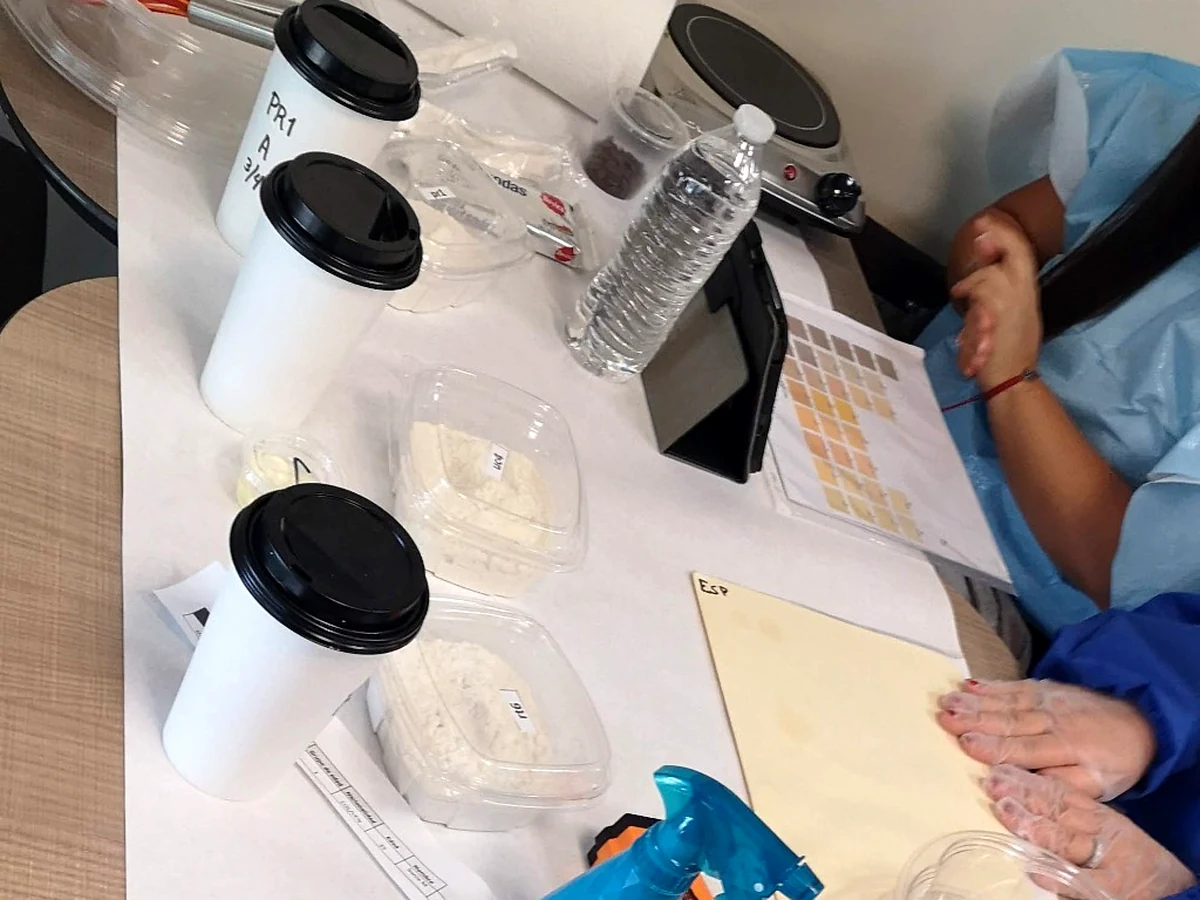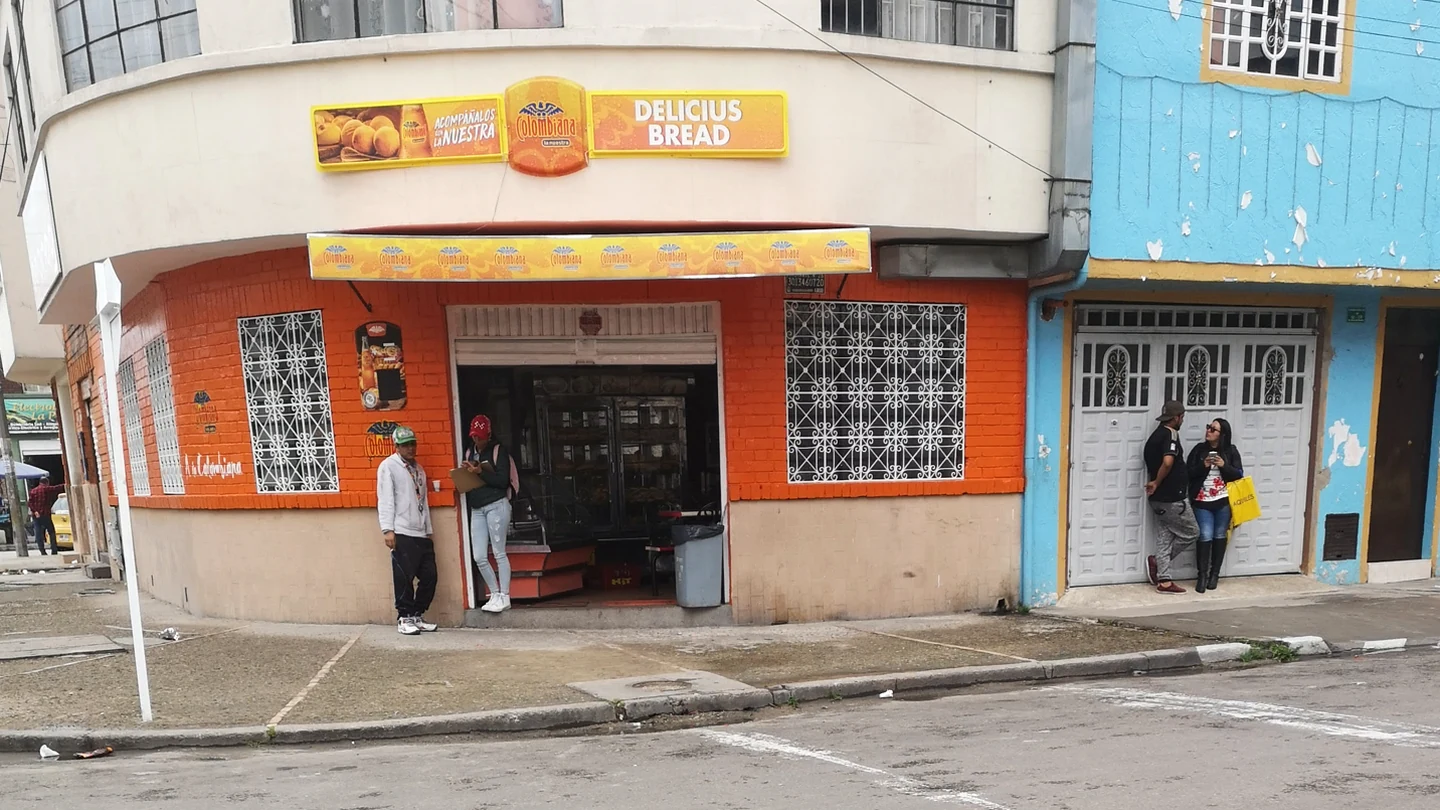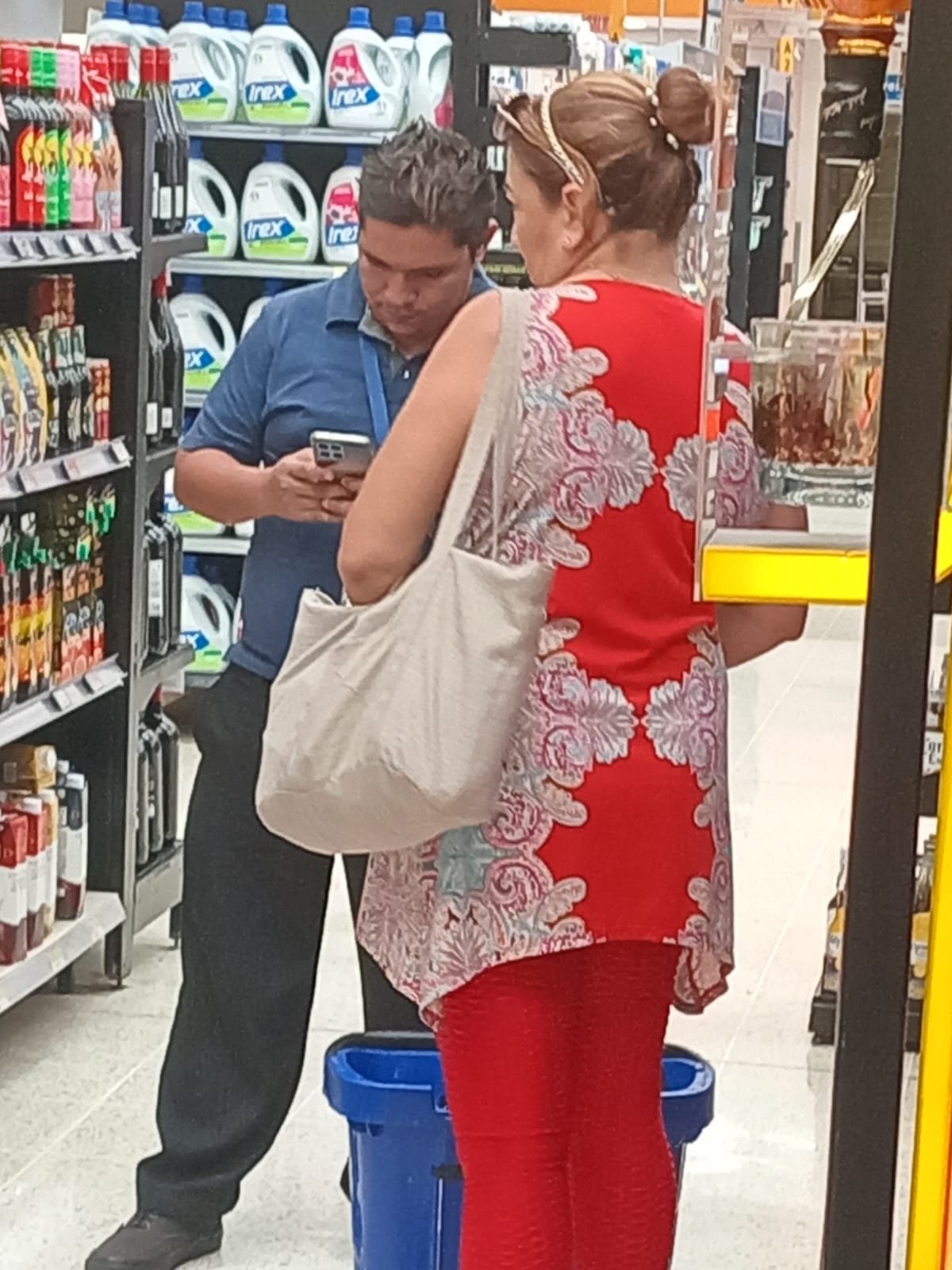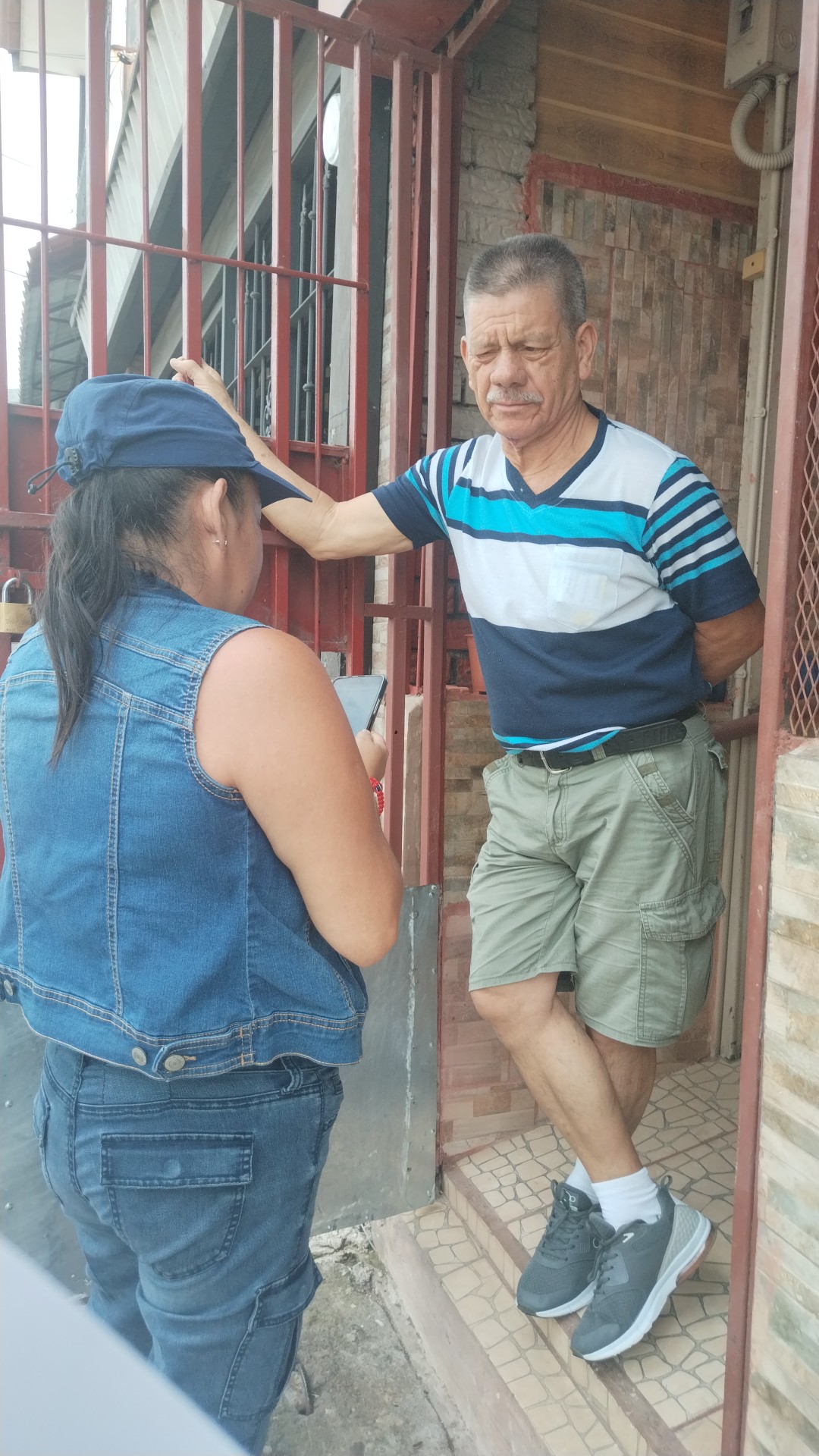
- SCM operates own field teams in 8 markets: Guatemala, El Salvador, Honduras, Nicaragua, Costa Rica, Panamá, Dominican Republic, and US Hispanic markets (SCM, 2026).
- 30+ field studies executed across Central America and the Caribbean between January 2025 and July 2026, including multi-country qualitative and quantitative fieldwork (SCM, 2026).
- 4,000+ in-context interviews, product tests, and store visits executed in the same period (SCM, 2026).
- Every respondent is verified through a three-stage process — behavioral screener, in-person confirmation, and day-of validation — before entering analysis (SCM, 2026).
You already know why you’re here.
Your last study arrived after the decision was made. The consumers in the report felt abstract — recruited, compensated, performing. The insight was technically correct and practically useless. You spent the budget. You still guessed.
The model most brands still pay for was built for a different era — structured panels, six-week timelines, and an operating model sized for the full research program, not the specific decision in front of you.
The comfort of the familiar has a cost. And you’ve started to feel it.
Three problems. One structural fix.
Three recurring gaps decide whether research actually drives the decision. We were built to close all three.
THE PANEL PROBLEM

Panels answer a different question.
Panels can be efficient for tracking and structured measurement. But panel environments recruit and incentivize participation — the same respondents cycling through study after study, screened by self-report rather than verified behavior. For product, shopper, and behavioral research, that participation model doesn’t reproduce how consumers act outside a survey. Methodological fit, not universal failure, is the question that matters.
THE OPERATING MODEL GAP
The model doesn’t always match the need.
Some research questions need a full program — strategy, multi-market coordination, a dedicated account structure. Others need focused, high-quality execution: fieldwork, validation, and a direct line to the person running your study. Using the first model for the second need adds cost and time without adding insight.
THE CONTEXT GAP

Dashboards approximate. You need context.
Numbers tell you what happened. They rarely tell you why, or what to do. Context — the kind you can only get by being present — is what converts data into direction.
OUR METHODOLOGY
How we read consumers.
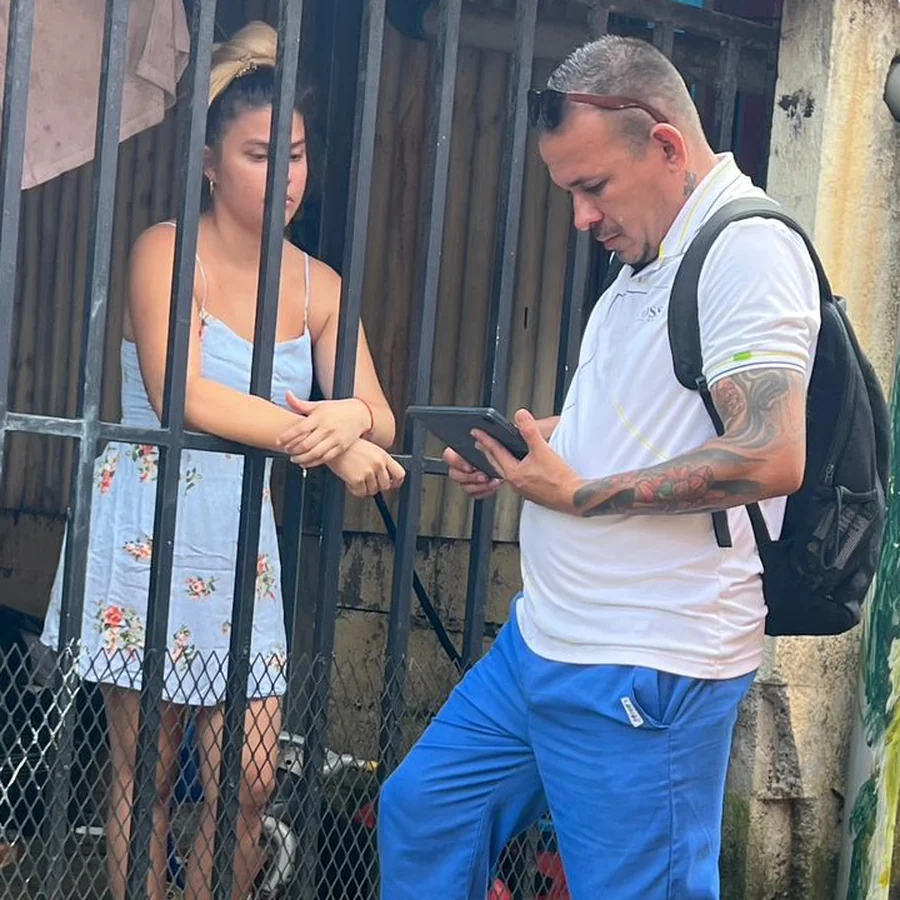
SCM designs and executes concept tests, product tests, IHUT, shopper research, and beverage intelligence studies across Central America and LATAM — with own field teams, no panels, live dashboard.Thirty years working in homes, stores, and streets across the region taught us where the gap actually sits: most research instruments are built for convenience, not for the behavioral questions we specialize in. Surveys capture what people are willing to report. Panels capture what recruited participants perform. For product, shopper, and behavioral decisions, neither substitutes for watching what consumers actually do.
What we collect is always behavior first — observed, documented, and then interpreted against the decision your brand needs to make. We call this consumer intelligence, not consumer research. The difference is that intelligence is designed to drive action, not to satisfy a research brief.
Five systems. One platform. Any category.
Each system was built around a specific consumer decision moment. They can be deployed independently or combined into a single study.
PACKAGING TESTING
TestScape™
Behavioral testing of packaging alternatives at point of decision. We observe real choice behavior, not stated preference.
CONCEPT TESTING
ConceptScape™
Concept evaluation in the consumer’s real environment. Removes the artificial context that inflates scores and misleads development teams.
BEVERAGE INTELLIGENCE
DrinkScape™
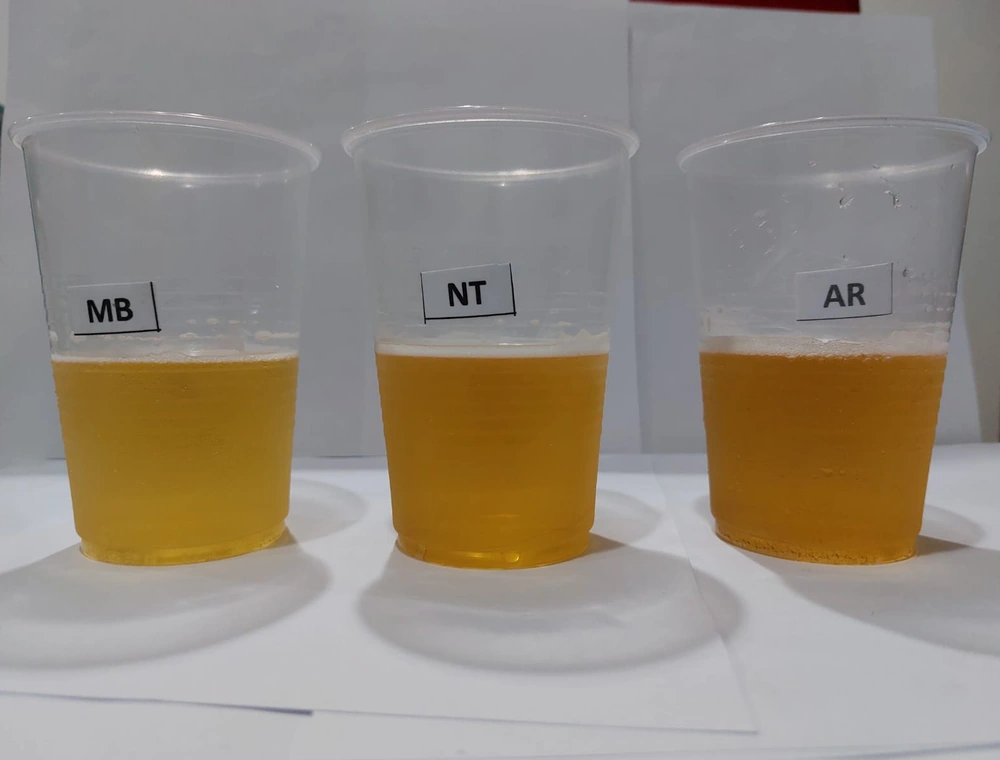
Category intelligence for beverage brands. Consumption occasion, substitution patterns, and decision triggers at the moment they occur.
IN-STORE INTELLIGENCE
ShopperScape™
Shopper behavior at the shelf. We document the actual path to purchase — what draws attention, what triggers hesitation, what closes the sale.
RESPONDENT SOURCING
PrecisionSourcing™
When your study requires a specific consumer profile, we find them. Verified. Recruited. Ready. No panels. No proxies.
PRECISIONSOURCING™
The right respondent changes everything.

Most research quality problems are sourcing problems. The methodology is sound. The instrument is well-designed. But the person sitting across from the researcher is not the consumer you needed. PrecisionSourcing™ was built to close that gap.
We recruit against behavioral criteria, not demographic proxies. “A woman, 25–40, who purchased your category in the last 30 days” is not the same as “a loyalist who switches at promotion and shops primarily at modern trade.” The second profile is what your research actually needs. That is what we find.
Every respondent we deliver is verified through a three-stage process: behavioral screener, in-person confirmation, and day-of validation. We guarantee sample quality or we replace. PrecisionSourcing™ is also available as a standalone service for agencies and internal research teams running their own studies.
We source in all eight markets we operate. Same standards. Same verification. Whether you need ten respondents in one city or forty across three countries.
Where we work.
Researchers on the ground in 8 markets, with thirty years of regional knowledge and verified local networks in each.
Who we work with.
We work with organizations that need to understand consumers before making consequential decisions.
MULTINATIONAL FMCG
Regional teams that need local truth.
Global brands entering or expanding in Central America need research that reflects how consumers here actually think and choose — not how headquarters assumes they do.
REGIONAL CPG
Local brands competing for shelf space.
Regional manufacturers compete on different terms than multinationals. We help them understand the behavioral gaps that explain why they win or lose at the shelf.
US HISPANIC MARKETS
Brands that cross the border.
Consumer behavior among US Hispanic populations with Central American or Caribbean origin is often poorly understood. We bridge the cultural and behavioral gap.
INNOVATION & R&D
Teams that need to kill bad ideas early.
Early-stage concept and product testing that reflects real behavioral response, not survey scores. We help innovation teams make the no-go call before the investment is made.
ABOUT SCM
Thirty years of getting it right — in the actual market.
SCM Centroamerica built the real-context testing model for Central America: consumer research executed in real homes, real stores, and real consumption moments — own field teams, no online panels, live data from day one. For two decades, SCM has been the field infrastructure behind studies that leading international research firms delivered to their global clients across Central America and the Caribbean: executing the fieldwork, verifying the respondents, and reaching the households. Today, that same infrastructure can support corporate research teams directly, or integrate into an existing research program.
Founder Hugo Mendieta spent fifteen years inside global research organizations — GfK, Sigma Dos, and STC Consultores — before building SCM. The firm has operated continuously for 30 years, with own field teams in 8 markets.
SCM was built to do something different. Not larger — more precise. Not faster — more useful. Every study we take on is designed around the decision you need to make, not the methodology we prefer to sell.
Questions we actually get asked.
Real questions from brand managers, regional directors, innovation leads, and research teams planning fieldwork in the region.
Who can run consumer research in Central America?
Consumer research in Central America requires local field infrastructure, because the region’s consumption behavior is not observable through remote or panel-only methods in most categories. SCM Centroamerica operates own field teams in 8 markets — Guatemala, El Salvador, Honduras, Nicaragua, Costa Rica, Panamá, the Dominican Republic and US Hispanic markets — and has executed 30+ field studies across the region between January 2025 and July 2026. Research firms operating in the region range from full-service regional agencies to specialized execution partners; the right choice depends on whether the project needs a complete research program or focused execution and validation.
Which Central American markets does SCM cover directly?
SCM has own field teams in 8 markets: Guatemala, El Salvador, Honduras, Nicaragua, Costa Rica, Panamá, the Dominican Republic and US Hispanic markets. Project execution extends across 13 LATAM markets over 30 years of continuous operation. Coverage is not subcontracted: every market is managed through direct operational relationships maintained over decades, which is what allows consistent verification standards across countries.
Can you run product testing in Guatemala, Honduras or Nicaragua?
Yes. SCM executes product testing, IHUT, shopper research and concept validation in Guatemala, Honduras and Nicaragua with own field teams, including urban and rural coverage. These three markets require field protocols that differ from Costa Rica or Panamá: lower online penetration, more dispersed retail, and household structures that affect both recruitment and in-home testing logistics. Fieldwork timelines in these markets typically run longer than in San José or Panama City for the same sample size.
What is real-context product testing?
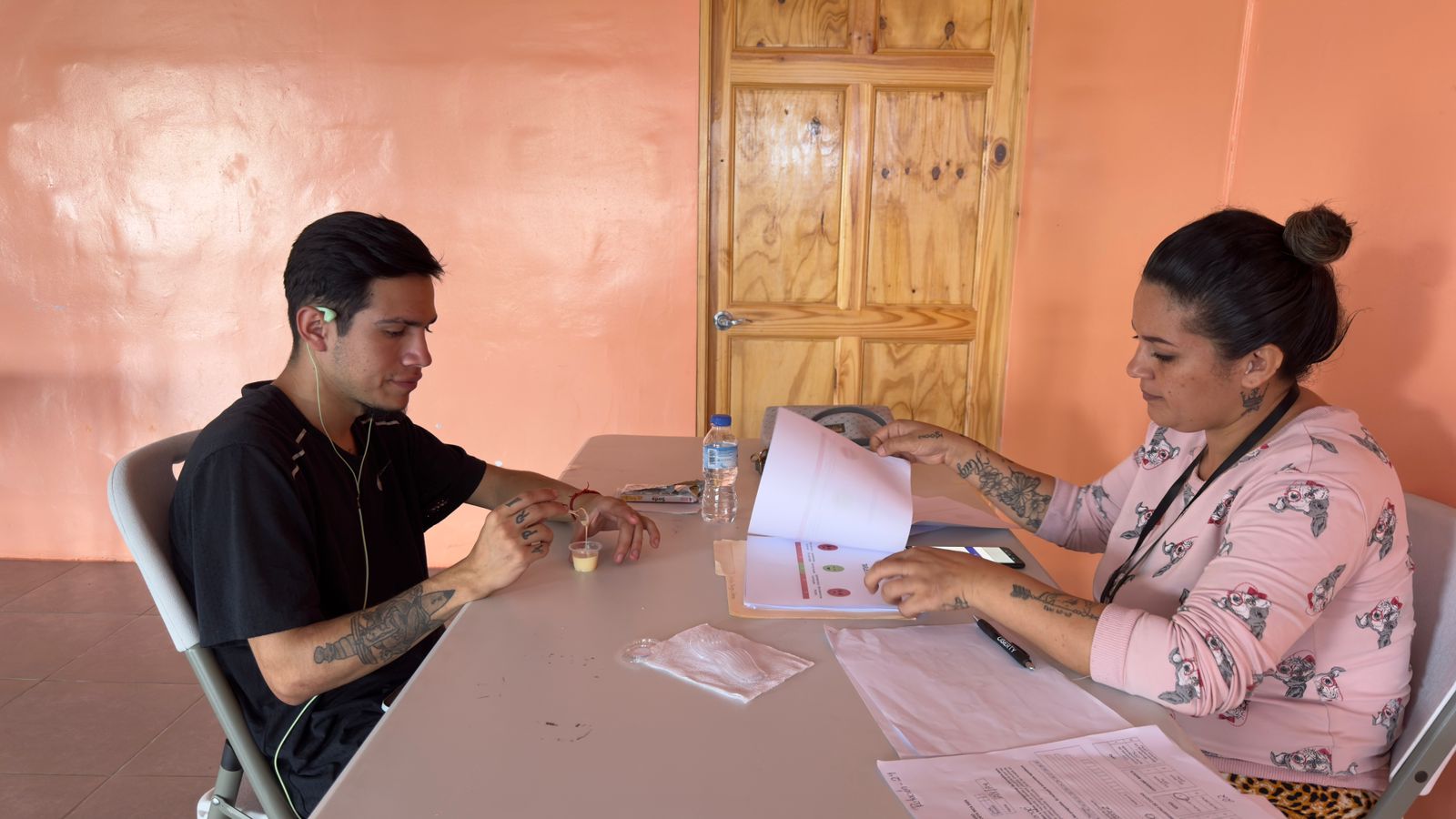
Real-context product testing evaluates a product where it is actually used or purchased — the home, the store shelf, the consumption occasion — instead of a central location or an online survey environment. The consumer uses the product across their normal routine, and behavior is observed and documented rather than self-reported after the fact. This matters for categories where the decision depends on conditions a test facility cannot reproduce: time pressure, distraction, family influence, repeated use, or the actual retail environment.
What is an IHUT and when should you use it?
An IHUT (In-Home Usage Test) places the product in the consumer’s home for a defined period so it is evaluated across real usage occasions rather than in a single sitting. It is the appropriate method when the product’s performance reveals itself over repeated use — detergents, personal care, beverages, food staples — or when the purchase decision depends on how the product fits an existing routine. A single-exposure test measures first impression; an IHUT measures whether the product earns a place in the household.
What is the difference between an IHUT, a blind test and a central location test?
The three differ in where the product is used and how much brand information the consumer has. A central location test (CLT) brings consumers to a controlled facility, giving high control over conditions but removing real usage context. A blind test removes brand identification so the product is evaluated on its own performance, and can be run in either a facility or the home. An IHUT places the product in the consumer’s home across normal routines, giving the most realistic usage conditions with less environmental control. The right choice depends on whether the research question is about the product itself, the brand’s effect on perception, or the product’s fit within real consumption.
Can you do consumer research in Central America without online panels?
Yes, and for behavioral, product and shopper questions it is usually the more reliable route in this region. SCM recruits against behavioral criteria rather than demographic proxies, and verifies every respondent through a three-stage process — behavioral screener, in-person confirmation, and day-of validation — before the case enters analysis. Online panels remain useful for tracking and structured measurement among connected urban segments, but panel penetration in Central America skews toward those segments and does not represent the broader consumer base that drives FMCG volume.
How do you verify that respondents are real consumers?
Every SCM respondent passes a three-stage verification before entering analysis: a behavioral screener that qualifies on actual purchase and usage behavior rather than stated demographics, in-person confirmation of the respondent, and day-of validation at the moment of fieldwork. Cases that fail verification are replaced before analysis, not flagged afterwards. Data quality is treated as a decision made before fieldwork, not a cleaning exercise after it.
When should I use real-context testing instead of an online panel?
Use real-context testing when the research question depends on behavior the panel environment cannot reproduce: product performance across repeated use, shelf decision-making, consumption occasion, or any decision where the gap between stated intention and actual behavior carries commercial risk. Use a panel when you need large-sample tracking of connected urban consumers and that gap is acceptable for the decision at hand. The question is methodological fit, not which method is better in the abstract.
Are online panels reliable in Central America?
Online panels are reliable for the segments they actually reach — urban, connected, research-experienced consumers — and unreliable as a proxy for the regional consumer base as a whole. Internet penetration and panel infrastructure vary sharply between Panamá and Costa Rica on one side and rural Guatemala, Honduras and Nicaragua on the other. For nationally representative or rural-inclusive research in Central America, face-to-face fieldwork remains necessary.
How long does a product test take in Central America?
A typical behavioral study runs two to four weeks from briefing to final report. Single-market observation or standalone PrecisionSourcing™ recruitment moves faster. Multi-country studies across Guatemala, Honduras and Nicaragua generally require longer field windows than Costa Rica or Panamá, given larger required samples and more complex logistics for representative urban-rural coverage. Timeline is scoped in the first conversation, not after the proposal is signed.
When do we start seeing data?
Data reaches the client dashboard from the first completed case, marked as preliminary until the sample closes. This means sample composition, respondent profiles and early patterns are visible while fieldwork is still running, and deviations can be corrected during the study rather than discovered at the close. The dashboard is not a delivery format at the end of the project; it runs from day one.
Can you run a study in several Central American countries at once?
Yes. Multi-country studies are standard, and SCM coordinates them directly rather than through local subcontractors, which is what keeps verification standards and instrument application consistent across markets. Fieldwork protocols are adapted per market — Spanish-language across the six Spanish-speaking markets, with urban and rural sampling frames that differ substantially between Panamá or Costa Rica and rural Guatemala, Honduras or Nicaragua.
How does SCM fit into an existing research structure?
SCM provides the execution and validation layer of a research program: fieldwork, respondent verification, in-context testing and data quality control. We work directly with corporate Insights and Innovation teams, and we integrate into agency-led and multi-country programs when that is how the project is structured. In either case, you work directly with the researchers running your study, under strict confidentiality standards.
What determines the cost of a study in Central America?
Cost is driven by five variables: number of markets, sample size, respondent incidence, methodology, and urban versus rural coverage. Low-incidence profiles and rural sampling raise cost more than sample size alone, because recruitment effort rather than interview volume becomes the constraint. For multi-country studies, SCM pricing is consistent across Central American markets, with limited variation between countries — which makes regional budgets predictable at the planning stage. Scope and estimate are defined in the first conversation, before any proposal.
Ready to see what your consumers actually do?
Tell us what decision you need to make. We will tell you which system fits.
SCM
Consumer research in real context.
Across Central America, the Caribbean, and US Hispanic markets.
Languages
© 2026 SCM Centroamerica. All rights reserved.
Looking for methodology specifics? Read our comprehensive guide on IHUT, blind product test and home use test in Central America and Latin America.